
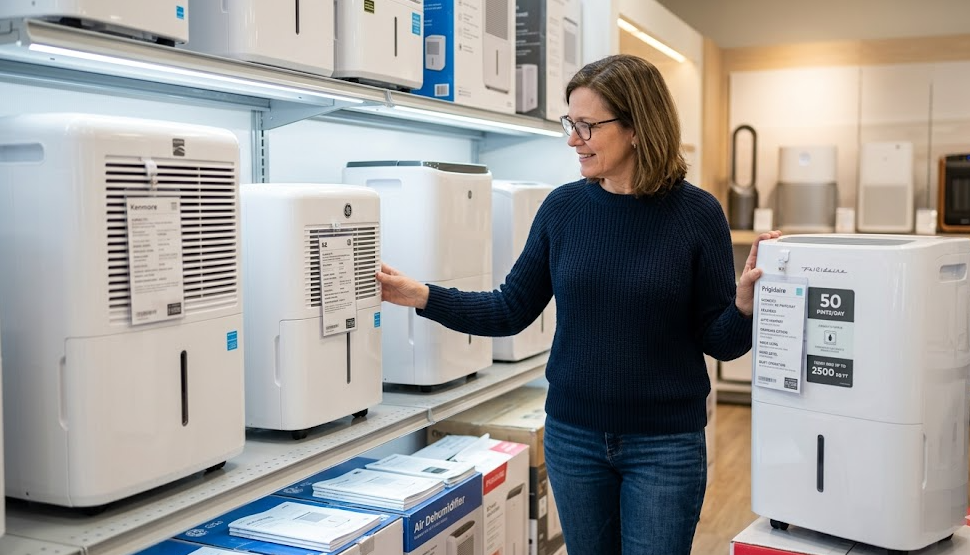
When learning how to choose a dehumidifier, the first and most important step is understanding the size of the room and the level of moisture present in that space. Every room behaves differently depending on its layout, ventilation, insulation, and exposure to humidity sources such as bathrooms, kitchens, or basements. A small bedroom with light dampness will need a very different solution compared to a large basement that regularly feels humid or develops a musty smell. This is why measuring square footage and observing real humidity conditions is essential before making any decision.
Many people ignore this step and end up buying either an underpowered unit that struggles to remove moisture or an oversized one that wastes energy and cycles inefficiently. A simple hygrometer can help you check humidity levels, and ideally, indoor air should stay between 40% and 60% for comfort and mold prevention. Understanding these basics ensures you are already halfway through mastering how to choose a dehumidifier correctly, because matching the device to the environment is the foundation of effective performance and long-term efficiency.
Types of Dehumidifiers Explained
When understanding how to choose a dehumidifier, the next important step is knowing the different types available and how each one works in real-life situations. Dehumidifiers are generally divided into two main categories: portable units and whole-house systems. Portable dehumidifiers are the most commonly used in homes because they are affordable, easy to move, and suitable for single rooms such as bedrooms, living areas, or small basements. They work by pulling moisture from the air in a limited space and storing it in a tank that needs regular emptying or can be connected to a drain for continuous use. On the other hand, whole-house dehumidifiers are designed to control humidity across the entire home by connecting directly to the HVAC system.
These are more powerful and energy-efficient for larger properties or areas with persistent humidity issues, but they also require professional installation and a higher budget. Choosing between these two depends entirely on your living space and moisture problem. If you only need control in one or two rooms, a portable unit is usually enough. However, if the entire house feels damp or you live in a high-humidity region, a whole-house system may be the better long-term solution. Understanding these differences is a key part of learning how to choose a dehumidifier effectively and avoiding unnecessary spending or underperformance.
Choosing the Right Capacity (Pints per Day)
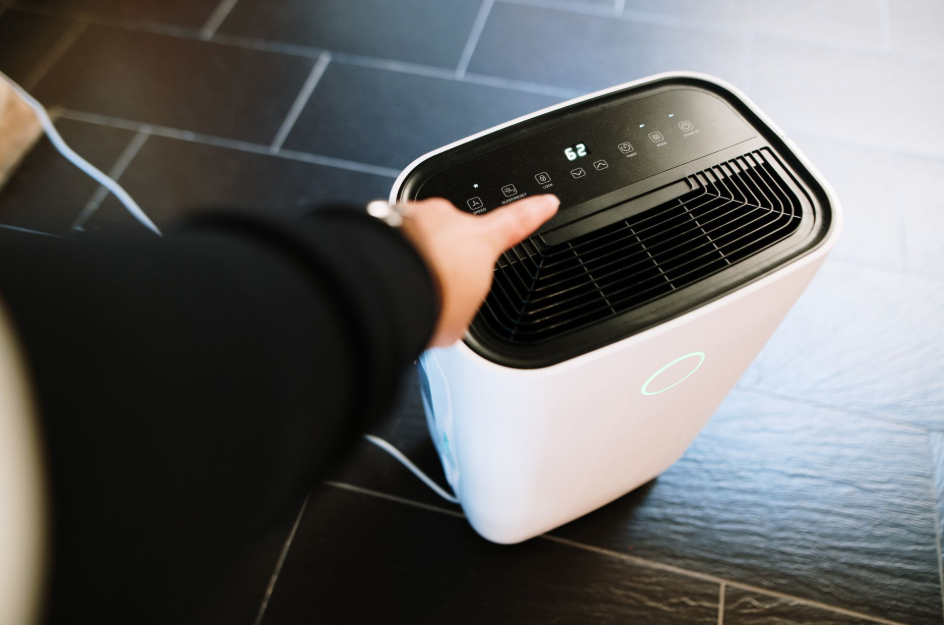
A major step in understanding how to choose a dehumidifier is selecting the correct capacity, which is measured in pints of moisture removed per day. This rating directly reflects how much water the machine can extract from the air in a 24-hour period, and it plays a huge role in how effectively the unit will perform in your space. If the capacity is too low, the dehumidifier will run constantly without properly reducing humidity levels, leading to frustration and higher electricity use. If it is too high, it may remove moisture too quickly, causing unnecessary energy consumption and frequent cycling on and off.
Capacity selection should always be based on both room size and moisture severity. For example, a slightly damp bedroom may only need a lower-capacity unit, while a heavily damp basement or laundry area requires a much stronger model. This is why experts always recommend assessing conditions before making a purchase instead of guessing. Matching the correct pint-per-day rating ensures balanced performance, better energy use, and longer equipment life. In simple terms, choosing the right capacity is one of the most critical decisions in how to choose a dehumidifier, because it directly determines how well the unit will handle real-world humidity challenges in your home.
Energy Efficiency and Cost Savings
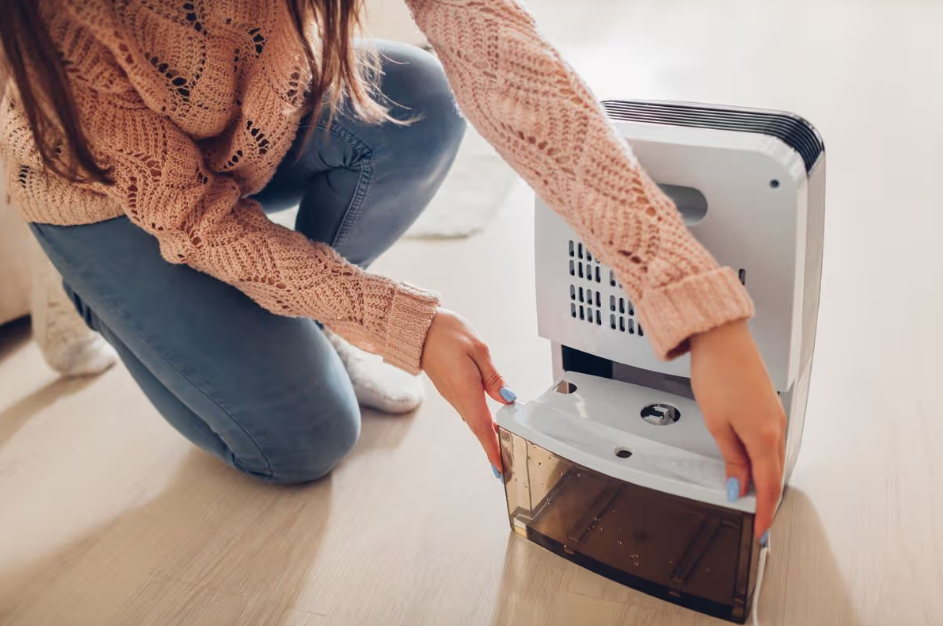
Another important factor in how to choose a dehumidifier is energy efficiency, because this directly affects long-term running costs. A dehumidifier often runs for several hours a day, especially in humid climates, so even a small difference in energy use can significantly impact your monthly electricity bill. Modern models remove moisture more efficiently while using less power, which makes them a smarter choice for both performance and savings.
Energy-efficient dehumidifiers usually come with features like automatic shut-off, adjustable humidistats, and optimized compressor systems. These features help the unit run only when needed, rather than operating continuously at full power. Over time, this reduces electricity consumption while still maintaining ideal humidity levels in your home. Choosing an ENERGY STAR-rated model is often recommended because these units are tested for lower energy usage without compromising performance.
Understanding this balance between performance and cost is essential in how to choose a dehumidifier, because a cheaper unit may end up costing more in the long run due to higher electricity use. Investing in an energy-efficient model ensures consistent humidity control while keeping operating expenses under control, making it a practical and budget-friendly decision for any household.
Key Features to Look For
When learning how to choose a dehumidifier, features play a major role in overall comfort and convenience. Beyond capacity and energy efficiency, the right features can make daily use much easier and help the unit perform more effectively in different environments. One of the most useful features is an automatic humidistat, which allows the dehumidifier to maintain a set humidity level without constant manual adjustments. This helps keep indoor air stable and prevents over-drying or under-performance.
Another important feature is continuous drainage, which allows the unit to remove collected water directly through a hose instead of requiring frequent tank emptying. This is especially helpful in basements or high-moisture areas where the dehumidifier runs for long periods. Many modern units also include auto shut-off functions, which turn the machine off when the tank is full, preventing overflow and water damage. Noise level is another factor worth considering, especially for bedrooms or living spaces where quiet operation matters.
Additional features like digital displays, timer settings, and washable filters also improve usability and maintenance. These may seem small, but they significantly improve the overall experience of using the device. In short, understanding features is an essential step in how to choose a dehumidifier, because the right combination of functions ensures better performance, easier maintenance, and greater long-term satisfaction.
Common Mistakes When Buying a Dehumidifier
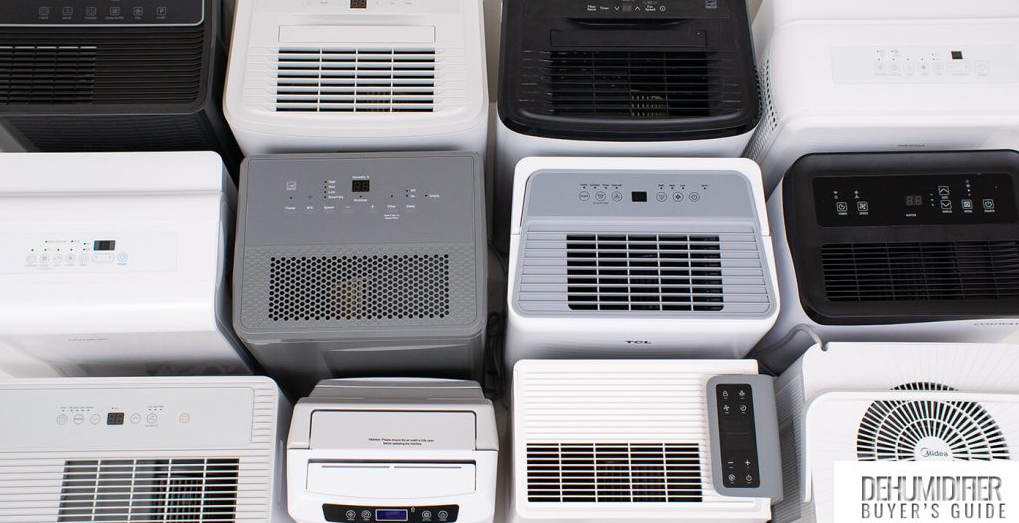
One of the most overlooked parts of how to choose a dehumidifier is avoiding common buying mistakes that lead to poor performance and wasted money. A frequent error is selecting the wrong size unit. Many people assume that a small or medium-capacity dehumidifier will work in any room, but in reality, undersized units struggle to reduce humidity levels effectively. This causes them to run continuously without achieving the desired comfort, increasing both energy usage and wear on the machine.
Another common mistake is ignoring humidity conditions and focusing only on room size. A basement with high moisture levels requires a much more powerful unit than a similarly sized bedroom with mild dampness. Failing to consider this difference often results in disappointment and ineffective humidity control. People also tend to overlook energy efficiency ratings, which can significantly impact long-term electricity costs. Choosing a non-efficient model may seem cheaper initially but becomes expensive over time.
Some buyers also neglect practical features like drainage options or tank capacity, leading to inconvenience in daily use. Constantly emptying a small water tank or dealing with overflow can make the device frustrating to operate. Understanding these mistakes is a crucial part of mastering how to choose a dehumidifier, because avoiding them ensures better performance, lower costs, and a much smoother user experience overall.
Real-World Example: Basement Moisture Control Case Study
A practical way to understand how to choose a dehumidifier is by looking at a real-life situation, such as controlling moisture in a basement. Basements are naturally prone to high humidity because they are below ground level, where air circulation is limited and moisture from soil can easily enter. In one typical case, a homeowner noticed persistent damp smells, condensation on walls, and occasional mold spots in a medium-sized basement used for storage.
Initially, a small-capacity dehumidifier was installed, but it failed to reduce humidity effectively. The unit ran constantly, yet the air still felt damp, and the water tank filled too quickly, requiring frequent emptying. This clearly showed that the chosen capacity was too low for the space and moisture level. After reassessing the situation, the homeowner upgraded to a higher-capacity model designed for heavy damp conditions and added a continuous drainage setup to avoid manual emptying.
Within a few days, humidity levels stabilized, the musty smell reduced, and the space became noticeably more comfortable and usable. This example highlights why proper assessment is essential in how to choose a dehumidifier. It also shows that matching capacity, drainage options, and room conditions can completely change the effectiveness of the solution. A correctly chosen unit not only improves air quality but also protects the structure and belongings from long-term moisture damage.
Conclusion
Choosing the right unit becomes much easier when you clearly understand how to choose a dehumidifier based on room size, moisture level, capacity, and essential features. A well-selected dehumidifier improves indoor air quality, prevents mold growth, reduces musty odors, and protects your home from long-term moisture damage. Instead of focusing only on price, the smarter approach is to match the device to your environment and usage needs. When capacity is correct and energy efficiency is prioritized, the system runs smoothly, saves electricity, and delivers consistent results. In the end, a good dehumidifier is not just an appliance—it is a long-term solution for healthier living conditions.
FAQs
1. What size dehumidifier do I need for my room?
It depends on room size and humidity level. Small rooms need low-capacity units, while basements or large damp spaces require higher-capacity models.
2. What is the ideal indoor humidity level?
The recommended range is between 40% and 60% for comfort, health, and mold prevention.
3. Is ENERGY STAR important when buying a dehumidifier?
Yes, ENERGY STAR models use less energy while maintaining strong performance, helping reduce electricity costs over time.
4. Where should I place a dehumidifier for best results?
Place it in the center of the room or near the main moisture source, ensuring good airflow around the unit for maximum efficiency.
For More Visit Accurate Unit Convert












Leave a Reply