
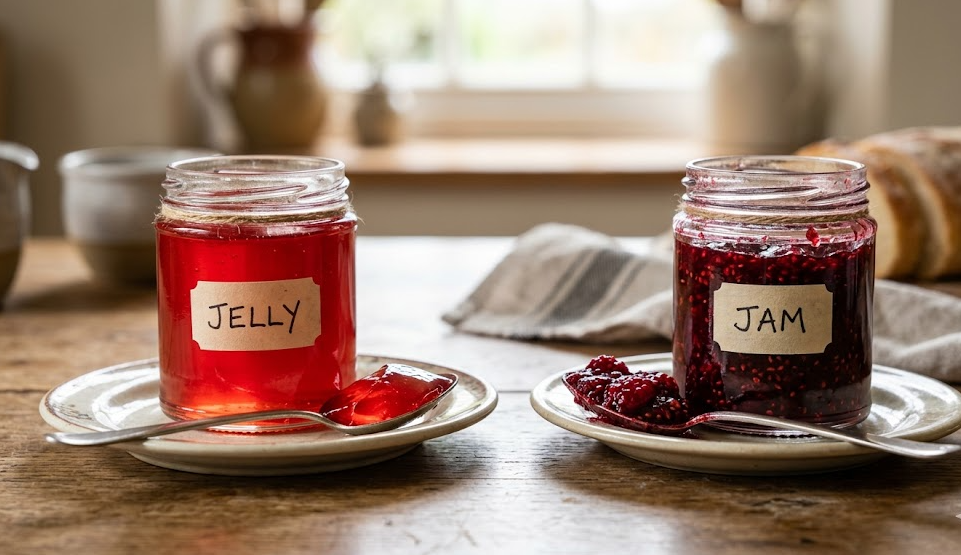
When it comes to breakfast spreads, few comparisons are as common as jelly vs jam. At first glance, they may look similar because both are fruit-based and sweet, but in reality, they differ greatly in texture, preparation, and even taste experience. Understanding these differences can help you choose the right option for your toast, desserts, or recipes.
What is Jelly?
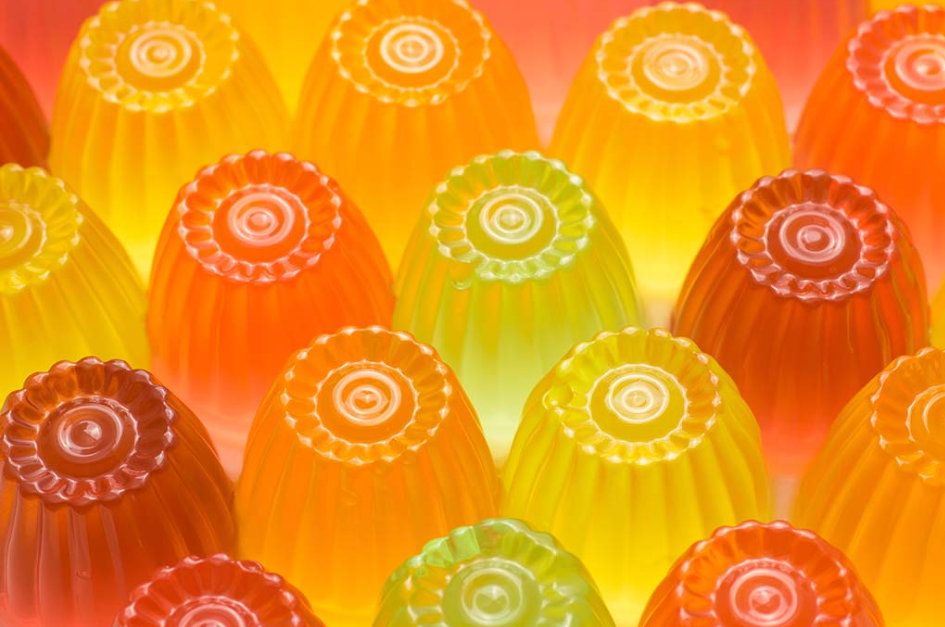
When comparing jelly vs jam, it is important to first understand jelly on its own. Jelly is a smooth and clear fruit spread made from strained fruit juice combined with sugar and pectin. Unlike other fruit spreads, it does not contain any fruit pulp, seeds, or solid pieces. This gives jelly its distinctive transparent look and firm, gel-like texture that holds its shape when spread on bread or used in desserts. Because jelly uses only fruit juice, it delivers a clean and uniform consistency that many people prefer for its neat appearance and easy spreading quality. People commonly make it from fruits like grapes, apples, or berries by extracting the juice and cooking it until it forms a stable gel. In everyday use, people often choose jelly for sandwiches, pastries, and fillings where a smooth texture and light fruit flavor work better than chunkier spreads.
What is Jam?
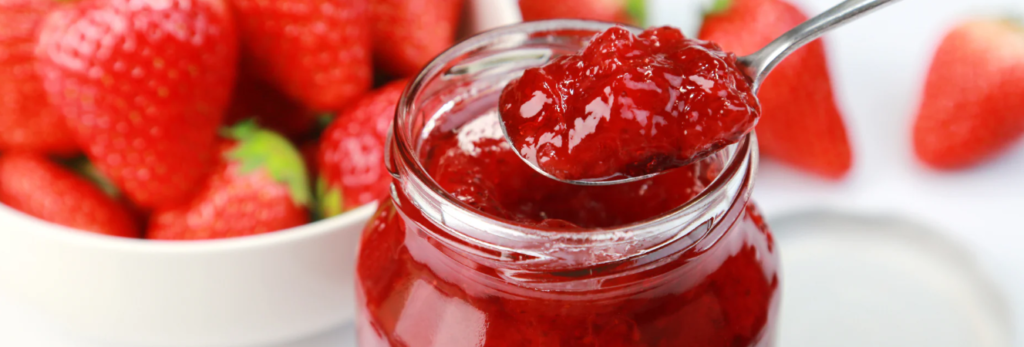
In the discussion of jelly vs jam, jam is the second key part to understand clearly. Jam is a fruit spread made by cooking crushed, chopped, or mashed whole fruit with sugar and pectin. Unlike jelly, it keeps the natural fruit content, which means you can often find small fruit pieces, pulp, or even seeds depending on the fruit used. This gives jam a thicker, richer, and more textured consistency that feels closer to the actual fruit.
The preparation of jam involves slow cooking the fruit so it breaks down while still retaining its natural structure. This process allows the flavor of the fruit to become more concentrated, resulting in a sweeter and stronger taste compared to jelly. Because jam includes the whole fruit, it has a more rustic and homemade feel that many people enjoy in breakfast spreads, desserts, and baked goods. It is especially popular for those who prefer a fuller fruit experience rather than a smooth, filtered texture.
Jelly vs Jam: Key Differences in Ingredients
When you compare jelly vs jam, the biggest difference lies in how each one is made and which ingredients it uses. Jelly uses only fruit juice, sugar, and pectin, and the process removes all solid parts of the fruit—such as pulp, seeds, and skin—before cooking. This results in a clear, smooth spread that contains only the extracted essence of the fruit. Because of this process, jelly has a more uniform structure and a lighter fruit presence.
Jam, on the other hand, is made using whole fruit that is crushed or mashed, along with sugar and pectin. Unlike jelly, it does not remove the fruit solids, so the final product includes pulp, fibers, and sometimes small fruit chunks. This difference in ingredients is what gives jam its thicker body and richer fruit flavor. The presence of real fruit pieces makes jam feel more natural and hearty compared to the filtered nature of jelly.
In simple terms, the ingredient difference defines the entire jelly vs jam debate: jelly focuses on fruit juice only, while jam preserves the whole fruit experience. This single distinction affects everything from texture to taste to how each spread is used in everyday foods.
Texture, Taste, and Consistency Comparison
In the jelly vs jam comparison, texture is one of the most noticeable differences. Jelly has a smooth, firm, and gel-like structure that is completely uniform. It spreads easily without any lumps or fruit pieces, making it ideal for people who prefer a clean and neat consistency. Because jelly is made from fruit juice only, its texture feels light and consistent in every bite.
Jam, in contrast, has a much thicker and chunkier texture. Since it is made from crushed whole fruit, it naturally contains pulp, fibers, and sometimes small fruit bits. This gives jam a more rustic and homemade feel. It does not hold a perfectly smooth shape like jelly, but instead offers a richer mouthfeel that feels closer to fresh fruit.
When it comes to taste, jelly usually delivers a lighter and more subtle fruit flavor because it uses only strained juice. Jam, however, provides a stronger and more intense fruit taste since the entire fruit is cooked into the mixture. This makes jam feel sweeter and more complex, while jelly feels cleaner and more delicate.
Consistency also plays a major role in the jelly vs jam difference. Jelly is firm and holds its shape, while jam is softer and more spreadable with a thicker body. This difference affects how each one behaves on toast, in sandwiches, or inside baked goods.
Nutritional Value: Which One is Healthier?
In the jelly vs jam comparison, nutrition is an important factor for many people who are mindful of their diet. Both jelly and jam use fruit and sugar, but their preparation changes their nutrition. Jelly uses strained fruit juice, so it has fewer natural fibers because processing removes the pulp and skin. As a result, jelly is often lower in fiber but still contains sugar and small amounts of fruit-derived vitamins.
When evaluating jelly vs jam, health experts often point out that jam may have a slight nutritional advantage due to its higher fruit content. However, the difference is not extreme, and both should be considered sweet spreads rather than health foods. Choosing between them often depends more on dietary preference and texture preference rather than major nutritional differences.
Common Uses in Food and Recipes
In the jelly vs jam comparison, both spreads are widely used in everyday meals, but they serve slightly different purposes depending on texture and taste. Jelly works best in situations where people prefer a smooth and clean finish. It spreads evenly on bread, which makes it ideal for sandwiches, toast, and pastries. Because it does not contain fruit chunks, jelly also works well in desserts that need a clear filling, such as layered cakes or glazed toppings.
Jam, however, is often chosen for recipes that benefit from a richer and more textured fruit flavor. It works well as a filling in cookies, donuts, and pastries where the thicker consistency helps it stay in place during baking. Jam is also popular as a topping for yogurt, pancakes, and scones because its chunky texture adds depth and a more natural fruit taste.
How to Choose Between Jelly and Jam
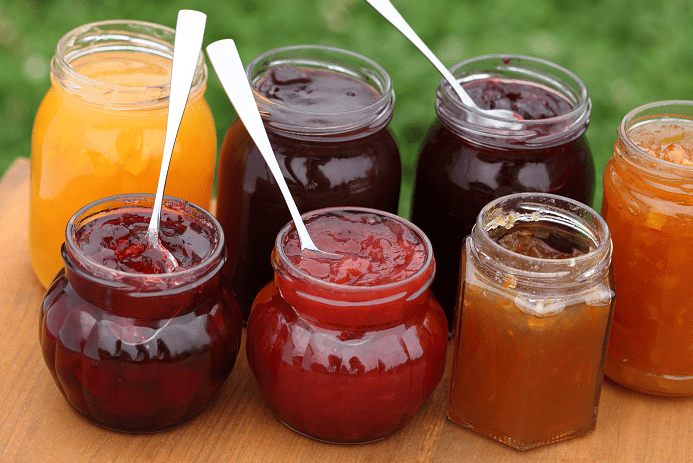
When deciding between jelly vs jam, the choice mainly depends on personal taste, texture preference, and how you plan to use it. If you prefer a smooth, clean spread that looks neat on bread and doesn’t contain any fruit pieces, jelly is usually the better option. It is ideal for people who enjoy a light fruit flavor and a consistent texture in every bite. Jelly also works well in situations where appearance matters, such as sandwiches for children or decorative dessert layers.
Jam is a better choice if you enjoy a richer, more natural fruit experience. Since it contains crushed fruit, it offers a thicker texture and stronger flavor that feels closer to fresh fruit. People who like a more homemade or rustic taste often prefer jam, especially for breakfast spreads, baking, or desserts that need extra fruit depth.
In the jelly vs jam decision, dietary preference can also play a role. Some people choose jam for its slightly higher fruit content, while others prefer jelly for its smoothness and lighter consistency. Ultimately, both are delicious options, and the right choice depends on whether you value smooth texture or rich fruit presence more.
Final Thoughts
In the overall jelly vs jam comparison, both spreads offer unique qualities that make them popular around the world.Jelly has a smooth, clear, and firm texture because it uses fruit juice alone, while jam has a thick, chunky consistency because it uses whole crushed fruit. These differences affect how they look, taste, and how people use them in everyday meals and recipes.
If you prefer a neat, consistent spread with a light fruit flavor, jelly is a great choice. On the other hand, if you enjoy a richer, more natural fruit experience with stronger taste and texture, jam may suit you better. Neither option is strictly better than the other—it truly comes down to personal preference and how you like your fruit spreads.
At the end of the day, the jelly vs jam debate is less about competition and more about variety. Both add sweetness, flavor, and versatility to breakfast tables and desserts, making them essential staples in many kitchens around the world.
FAQs
1. What is the main difference between jelly and jam?
Jelly is made from fruit juice only, while jam is made from crushed whole fruit.
2. Is jam healthier than jelly?
Jam may contain slightly more nutrients because it includes fruit pulp and fiber.
3. Can jelly and jam be used interchangeably?
Yes, but the texture and taste of the final dish will change.
4. Why is jelly smoother than jam?
Because jelly is strained and made without fruit solids, giving it a clear texture.
For More Visit Accurate Unit Convert














Leave a Reply