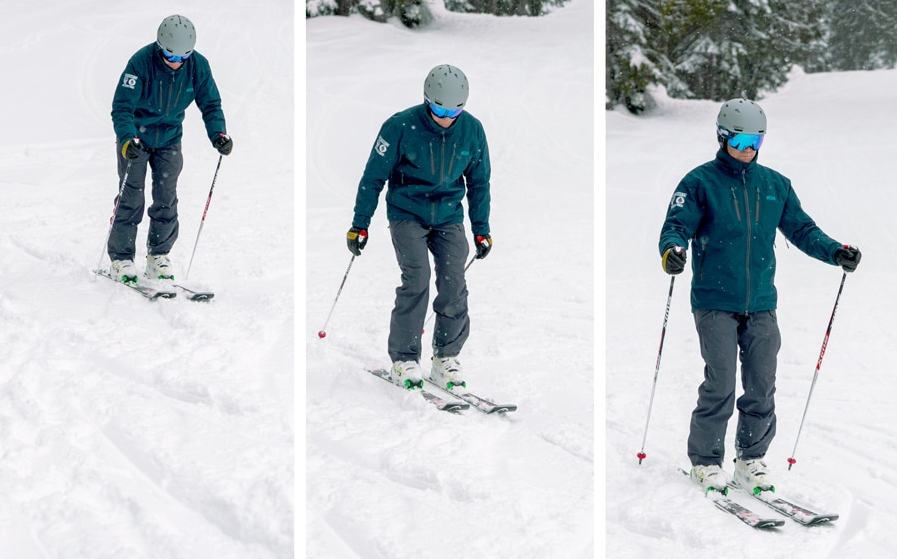
Skiing is a thrilling and enjoyable sport that allows you to experience the beauty of snow-covered mountains. Whether you’re a beginner or an experienced skier, knowing how to ski properly and safely is essential for making the most of your time on the slopes. In this article, we will provide an in-depth guide on how to ski, covering a wide range of topics, from skiing in different snow conditions to mastering skiing techniques for beginners.
How to Ski: Getting Started
Before you hit the slopes, it’s important to understand the basics of skiing. Skiing involves sliding down snow-covered slopes with skis strapped to your boots. It’s an exhilarating sport that combines balance, speed, and control. Whether you’re learning to ski for the first time or refreshing your skills, starting with the right techniques is key to mastering this winter sport.
Key Points for Beginners
Proper Gear: Ensure that you have the right skiing equipment, including skis, ski boots, poles, and warm clothing. Proper fit and comfort are essential for skiing.
- Learning the Basics: Mastering balance and stance is crucial. Keep your knees slightly bent and your weight centered over your skis.
- Snowplow Position: Start by practicing the snowplow technique, where you form a “V” shape with your skis. This helps with stopping and controlling your speed.
- Take a Lesson: If you’re a beginner, it’s advisable to take lessons from a certified ski instructor. They can teach you the proper techniques and safety measures.
- Gradual Progression: Start on easier, beginner slopes to build your confidence and skills before attempting more challenging terrain.
- Safety First: Always wear a helmet for protection, and make sure you’re aware of skiing etiquette and rules.
How to Ski in Deep Snow
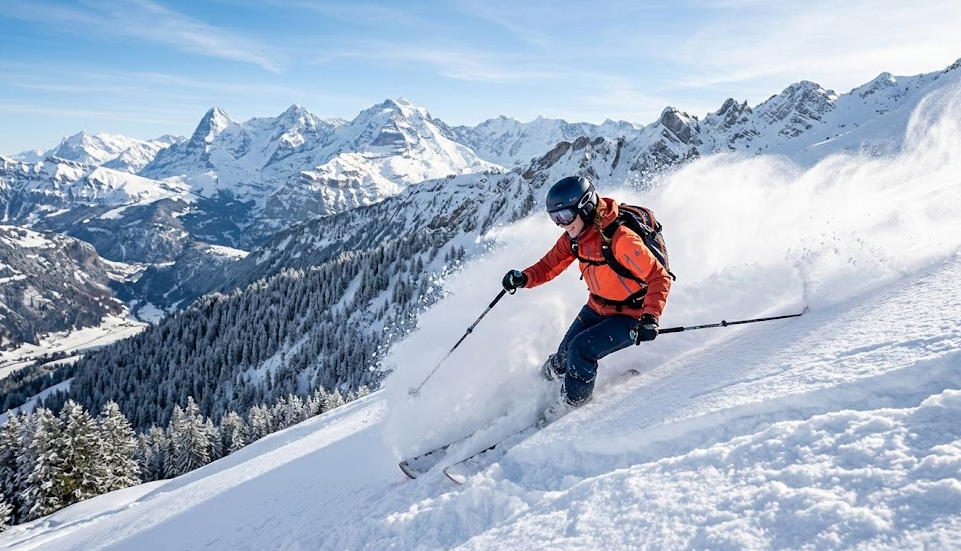
Skiing in deep snow, also known as powder snow, can be a thrilling experience, but it requires a different technique than skiing on groomed trails. The extra resistance and softness of the snow demand more effort and control.
Key Points for Skiing in Deep Snow:
- Use Wider Skis: Wider skis provide better floatation in deep snow, helping you stay on top rather than sinking into it.
- Keep Your Weight Centered: Distribute your weight evenly across both skis. Avoid leaning too far forward or backward.
- Maintain a Relaxed Stance: A slightly bent posture with your arms forward helps you stay balanced and responsive.
- Slow and Steady Turns: Make wide, gentle turns to maintain control and avoid the skis catching too deeply in the snow.
- Use Your Poles: Poles are important for maintaining balance and rhythm while skiing in deep snow.
- Anticipate Snow Conditions: Adjust your skiing technique based on the snow’s texture. Deeper, lighter snow requires more careful navigation.
- Also Read:- How to Play Piano: A Complete Beginner to Advanced Guide
How to Ski in Icy Conditions
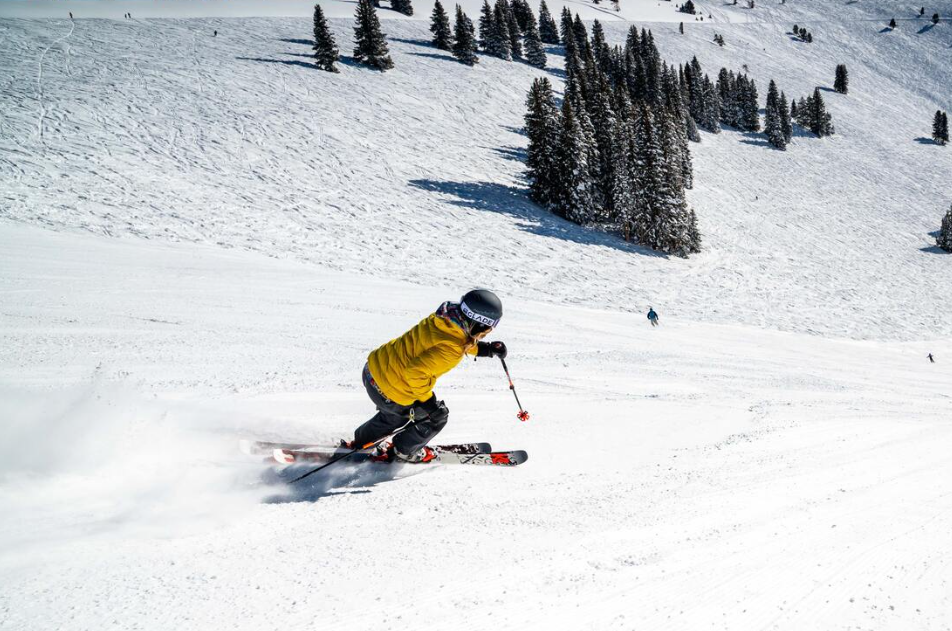
Icy conditions can be challenging for even the most experienced skiers. The lack of friction on icy slopes makes it more difficult to control your skis and can increase the risk of falls.
Key Points for Skiing in Icy Conditions:
- Stay Low: Keeping your body lower to the ground helps increase stability and control.
- Make Shorter Turns: Short turns are more effective than wide ones on icy terrain. They allow you to maintain better grip and balance.
- Use Ski Edges: On ice, using the inside edges of your skis is crucial for grip. Apply pressure evenly to avoid slipping.
- Avoid Sharp Movements: Quick, jerky movements can cause you to lose balance on ice. Keep your motions fluid and controlled.
- Check Your Speed: On icy slopes, speed can be dangerous. Maintain a moderate pace and avoid going too fast.
- Use Your Poles for Support: Poles help with balance and can prevent you from falling if you start to lose control.
- Also Read:- How to Boil Egg: The Complete Expert Guide for Perfect Results Every Time
How to Ski on Powder Snow
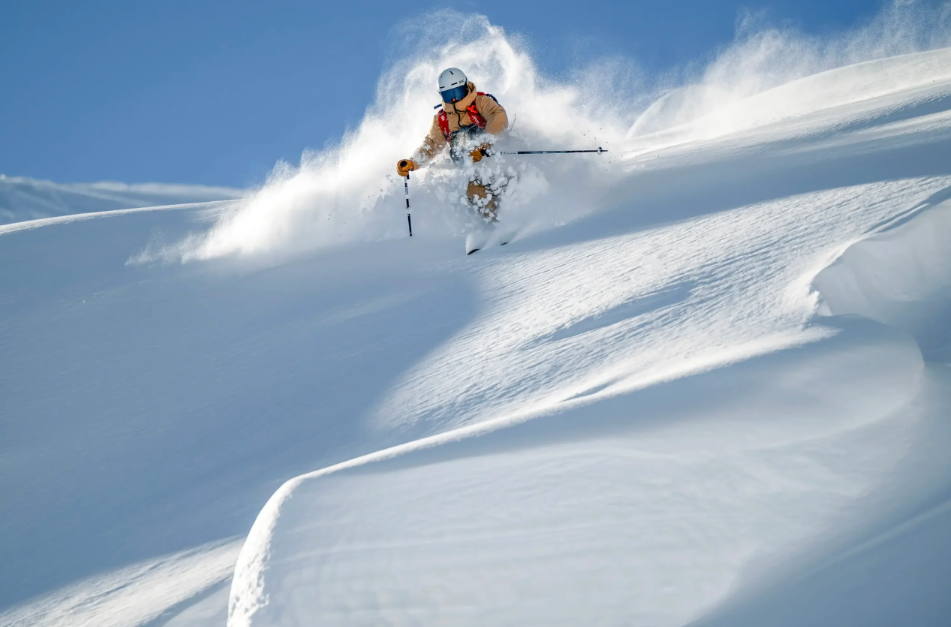
Skiing on powder snow is one of the most exhilarating experiences a skier can have. However, powder skiing requires different skills than skiing on packed snow or groomed trails.
Key Points for Skiing on Powder Snow:
- Balance is Key: To ski effectively in powder, keep your weight centered and your knees slightly bent.
- Use a Wide Stance: A wider stance with skis parallel to each other helps prevent you from sinking too much into the snow.
- Stay Relaxed: Powder skiing requires smooth, controlled movements. Avoid stiffening up, which could result in loss of balance.
- Keep Your Speed Steady: In deep snow, you’ll need to maintain a consistent speed to stay on top of the snow and avoid getting stuck.
- Look for Clear Paths: Skiing in powder can be unpredictable. Try to follow tracks made by other skiers for smoother paths.
- Practice Your Turns: Powder snow requires gradual, sweeping turns to keep you moving efficiently.
- Also Read:- How to Convert Meters to Feet
How to Ski Powder Snow Safely
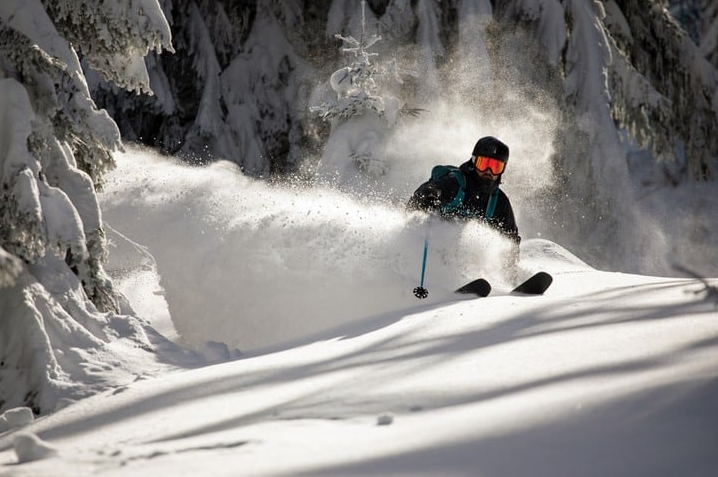
Skiing in powder snow can be an unforgettable experience, but it also comes with risks. It’s essential to ski safely and responsibly to avoid injuries or accidents.
Key Points for Safe Powder Snow Skiing:
- Wear Avalanche Safety Gear: In areas prone to avalanches, carry a beacon, shovel, and probe. Avalanche safety is critical for backcountry skiing.
- Understand Terrain Risks: Avoid skiing in areas where the snowpack may be unstable or where there are avalanche warnings.
- Know Your Limits: Stick to terrain that matches your skill level. Don’t attempt steep, uncharted areas unless you’re experienced.
- Ski with a Buddy: Always ski with a partner, especially in backcountry areas. Having someone to assist in case of emergencies is crucial.
- Take a Lesson: If you’re new to powder skiing, consider taking a lesson with a professional who can teach you the safety precautions and skills.
- Check Weather Conditions: Stay informed about snow conditions and potential weather changes to avoid getting caught in dangerous conditions.
- Also Read:- How to Convert 70 Meters to Feet
How to Ski Safely on Icy Slopes
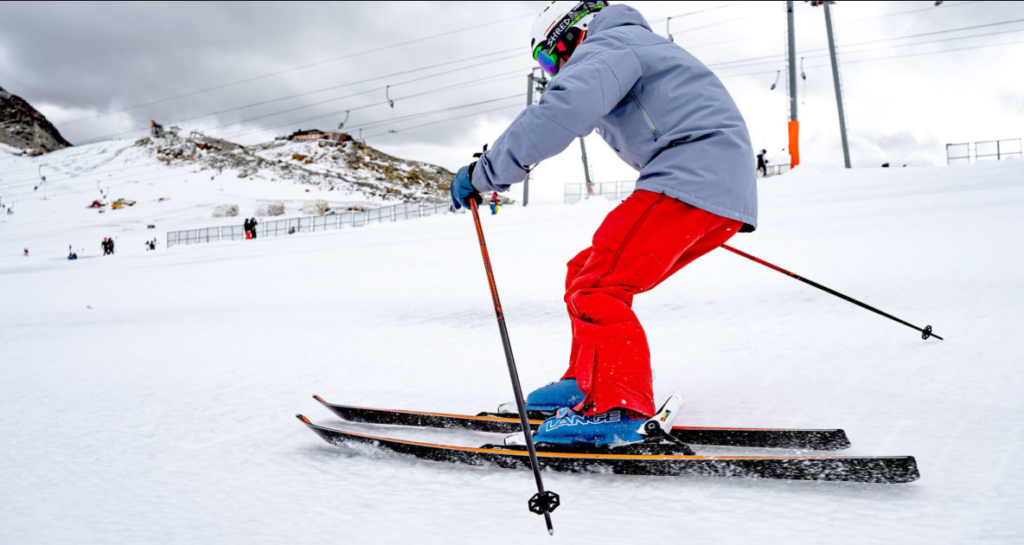
Icy slopes present unique challenges that require skiers to adjust their techniques for control and safety. Here are some tips to ski safely on icy conditions.
Key Points for Skiing Safely on Icy Slopes:
- Choose Appropriate Ski Gear: Use skis with sharp edges and ensure your boots are tightly secured to avoid losing control.
- Control Your Speed: Skiing on ice can make it harder to slow down. Keep your speed under control to maintain stability.
- Use Edge Control: Applying pressure on the ski edges will help grip the icy surface and reduce sliding.
- Keep Turns Short and Sharp: Short, controlled turns help you maintain better traction on the ice.
- Check the Weather: Ice tends to form in certain conditions, such as freezing temperatures. Be mindful of these conditions before you ski.
- Stay Calm: If you feel yourself starting to slip or lose control, stay calm. Don’t panic, and try to regain your balance gradually.
- Also Read:- Understanding How to Convert Minutes to Hours
How to Ski at Night
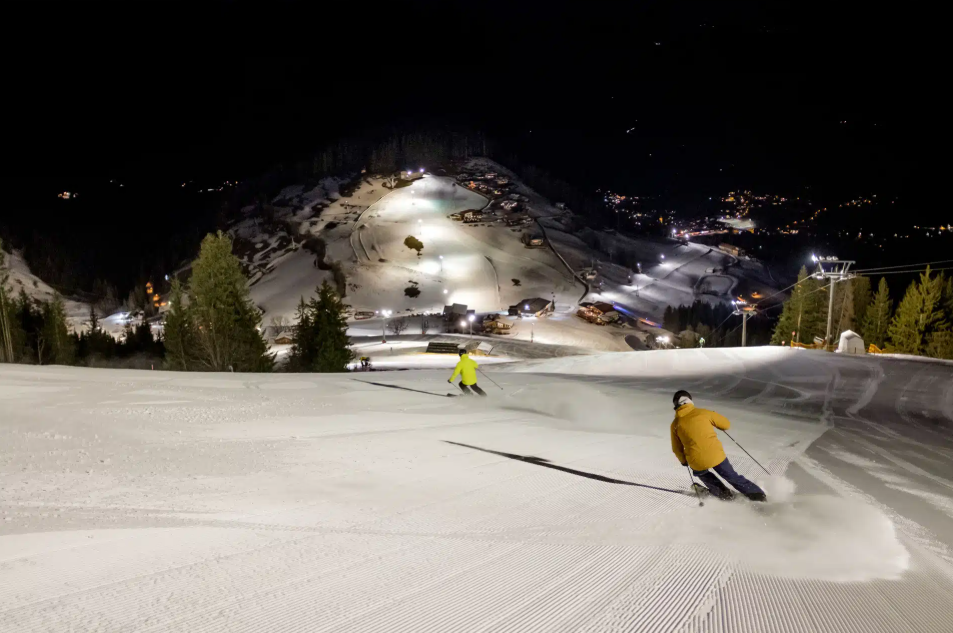
Night skiing offers a unique experience, but it requires additional caution due to limited visibility.
Key Points for Night Skiing:
- Use Proper Lighting: Ensure your helmet or headgear is equipped with a light, and the ski slopes are well-lit.
- Stay Visible: Wear reflective clothing to make yourself more visible to others, especially in crowded areas.
- Increase Your Focus: With reduced visibility, focus more on your turns and speed control to avoid accidents.
- Adjust Your Speed: Night skiing can be harder on your eyes. Keep your speed moderate to react quickly to obstacles.
- Watch for Ice Patches: Since temperatures drop at night, ice patches can form more easily. Be extra cautious.
- Follow Safety Rules: Pay attention to the rules and signage for night skiing. Some slopes might have different guidelines.
- Also Read:- How to Convert 14 cm to Inches: The Exact Measurement
How to Ski Moguls
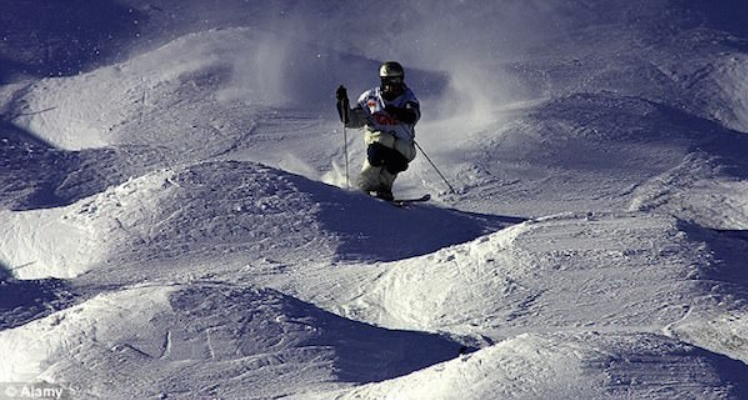
Moguls are bumps formed by skiers and snowplows, and skiing them requires skill and control. Here’s how to tackle moguls confidently.
Key Points for Skiing Moguls:
- Flex Your Knees: Keep your knees bent and absorb the bumps to maintain balance.
- Use Your Upper Body for Balance: Focus on using your upper body to guide your movements while your legs absorb the bumps.
- Stay Light on Your Skis: Keep your skis light and ready to adjust to the terrain.
- Focus on Your Turns: Make quick, short turns to navigate the moguls effectively.
- Look Ahead: Anticipate the bumps ahead of you to prepare your movements.
- Practice Regularly: Mogul skiing requires practice, so spend time getting used to the rhythm of the terrain.
- Also Read:- How to Convert Hex to Binary Explained Simply
How to Ski in the Mountains
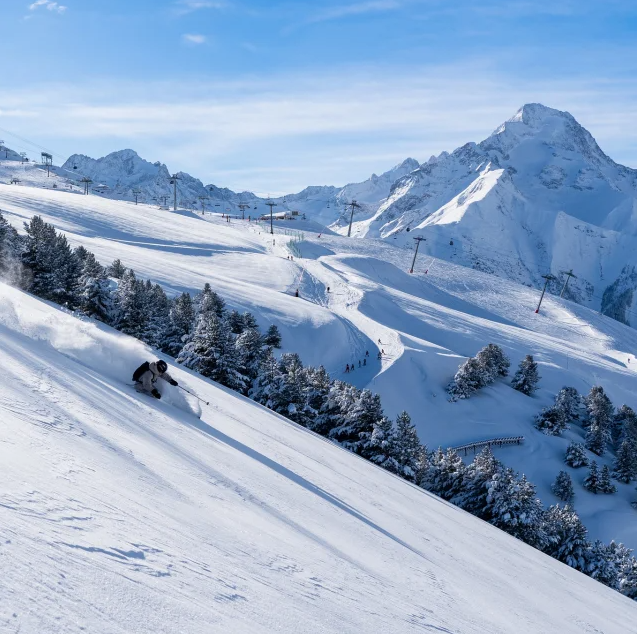
Skiing in the mountains provides some of the best views and slopes, but it also requires careful planning.
Key Points for Skiing in the Mountains:
- Know Your Route: Plan your route before you ski. Familiarize yourself with the trails, lifts, and conditions.
- Stay Hydrated: Skiing in higher altitudes can be dehydrating, so drink plenty of water throughout the day.
- Monitor Weather Conditions: The weather can change rapidly in the mountains. Keep an eye on forecasts and adjust accordingly.
- Take Breaks: Skiing in the mountains can be physically demanding, so take regular breaks to avoid fatigue.
- Consider Your Gear: Be sure to have mountain-specific gear like goggles and warm clothing.
- Ski with a Group: It’s safer to ski in the mountains with others, especially if you’re new to the area
- Also Read:- How to Convert 56 cm to Inches in Seconds
How to Ski Downhill
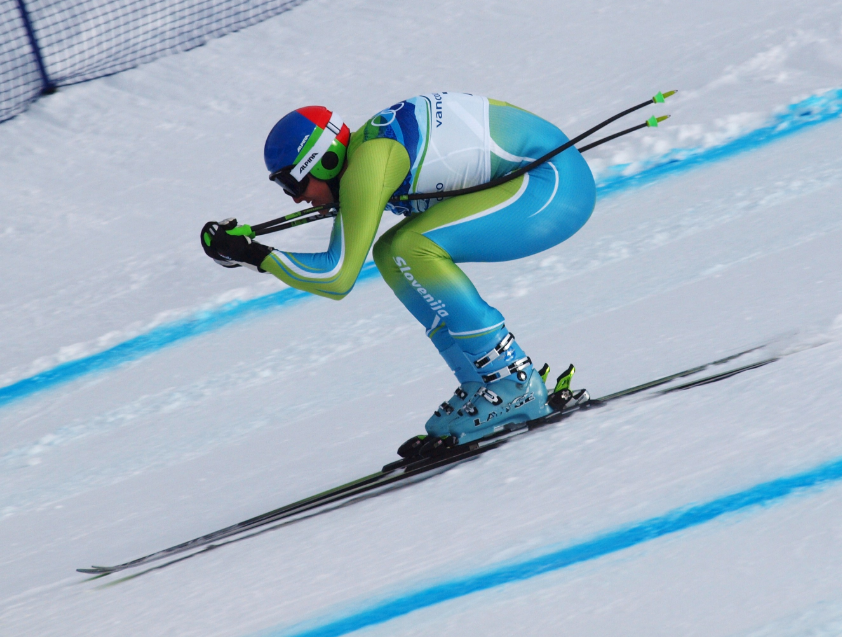
Downhill skiing is the most common and thrilling type of skiing. It involves descending the slope with control and technique.
Key Points for Skiing Downhill:
- Keep Your Body Forward: Avoid leaning too far back, as this can lead to loss of control.
- Use a Parallel Stance: Keep your skis parallel and maintain a slight bend in your knees.
- Turn and Control Speed: Use turns to control your speed and direction, gradually making sharper turns as needed.
- Focus on Your Edge: Your ski edges provide grip, so be sure to use them properly.
- Stay Relaxed: Tension can cause you to lose control. Keep your body relaxed to respond quickly.
- Check Your Speed: Gradually build up speed and make sure to slow down before you reach the bottom.
- Also Read:- How to Convert Acres to Square Feet – Complete Step-by-Step Guide
How to Ski in Cold Weather
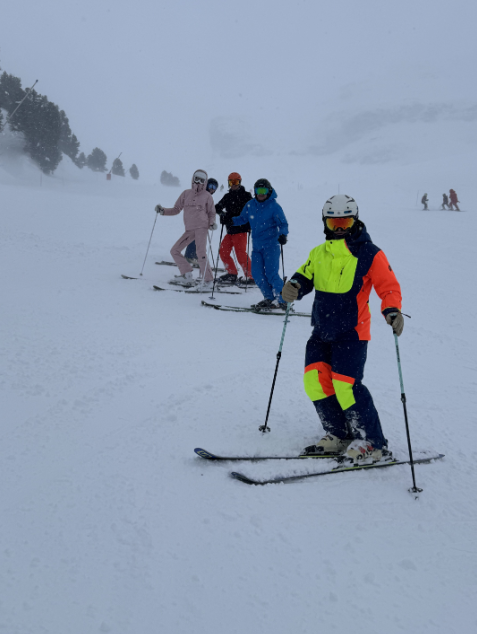
Skiing in cold weather can be uncomfortable if you’re not prepared. Proper gear and techniques will help you stay warm and safe.
Key Points for Skiing in Cold Weather:
- Layer Your Clothing: Wear multiple layers to stay warm without restricting your movement.
- Cover Exposed Skin: Protect your face, hands, and feet from frostbite by covering them with warm gear.
- Stay Active: Skiing naturally generates body heat, so keep moving to stay warm.
- Choose the Right Gear: Wear ski-specific clothing and accessories designed for extreme cold.
- Keep Hydrated: Dehydration can happen in cold weather, so drink water regularly.
- Be Mindful of Frostbite: If you feel numbness in your extremities, stop skiing and warm up.
- Also Read:- How to Convert ML to Cups (Complete Step-by-Step Guide)
Conclusion
Skiing is an exciting sport that offers a variety of experiences, from skiing in deep snow to mastering moguls and navigating icy slopes. By following the proper techniques and safety measures, you can enjoy skiing in any condition. Remember, practice makes perfect, so don’t be afraid to take lessons, learn new techniques, and continuously improve your skills. Always prioritize safety, wear the right gear, and enjoy the thrill of skiing with confidence.
FAQs
Q: How do I start skiing as a beginner?
A: Begin with a lesson from a certified instructor, practice on beginner slopes, and master the basic snowplow technique to control your speed and stopping.
Q: How can I prevent falling while skiing?
A: Focus on balance, keep your knees bent, and practice turns on easier terrain before advancing to more difficult slopes.
Q: What should I do if I feel uncomfortable skiing in powder snow?
A: Start by practicing in small areas, keeping your skis wide and using gentle turns to gain confidence. Consider taking a lesson in powder skiing.
For More Visit Accurate Unit Convert