

Bone conduction technology works by bypassing the outer and middle ear and sending sound vibrations directly through the bones of the skull to the inner ear. When you use bone conduction headphones, small transducers placed near your cheekbones or temples create tiny vibrations that travel through the bones until they reach the cochlea, which is responsible for processing sound. This allows you to hear audio while still keeping your ear canals completely open, which is one of the main reasons people prefer this type of headphone for outdoor activities.
Even though this method feels different from traditional audio devices, the biological hearing process remains the same once the vibrations reach the inner ear. The brain still interprets these signals as sound, meaning volume levels and exposure duration are just as important as with regular headphones. Because of this, understanding how sound is transmitted is essential when discussing bone conduction headphones side effects, as improper use can still place stress on the auditory system despite the innovative design.
Common Bone Conduction Headphones Side Effects
Although bone conduction headphones are often marketed as a safer and more comfortable alternative to traditional earbuds, they can still produce several side effects when used incorrectly or for long periods. One of the most commonly reported bone conduction headphones side effects is mild discomfort caused by continuous vibration on the cheekbones or temples. Since the device relies on physical vibration to transmit sound, some users may feel a slight tingling or pressure sensation, especially during extended listening sessions or at higher volume levels.
Another frequently mentioned issue is temporary ear fatigue or sensitivity. Even though the ear canal remains open, the inner ear still processes all incoming vibrations, which means prolonged exposure can lead to auditory strain similar to conventional headphones. In some cases, users also report headaches or a feeling of pressure around the head, which may be linked to tight device fitting or continuous vibration exposure. Additionally, in noisy environments, people often increase the volume to compensate, which indirectly raises the risk of hearing stress. These effects highlight that while bone conduction technology is innovative, it is not completely free from potential discomfort or misuse-related risks.
Hearing Safety and Long-Term Risks
One of the most important concerns related to bone conduction headphones side effects is their impact on long-term hearing health. Even though these devices do not block the ear canal, they still deliver sound directly to the inner ear, which means the cochlea is exposed to continuous vibration. Over time, exposure to high volume levels can contribute to noise-induced hearing damage, a condition also seen with traditional headphones. The key issue is not the method of sound delivery, but the intensity and duration of exposure. If users consistently listen at high volumes, the risk to hearing health remains significant.
Long-term use can also lead to subtle auditory fatigue, where the inner ear becomes temporarily less sensitive after extended listening sessions. This may not be immediately noticeable, but repeated strain can accumulate over time. According to hearing health research, including guidance from the World Health Organization, prolonged exposure to sounds above safe decibel limits can permanently affect hearing ability. More details on safe listening practices can be found This is why experts recommend treating bone conduction headphones with the same caution as regular audio devices, especially when it comes to volume control and listening duration.
Who Should Avoid or Limit Use
Certain individuals need to be more cautious when using bone conduction headphones because of potential bone conduction headphones side effects, especially those linked to hearing sensitivity and overall ear health. People who already experience hearing issues, such as tinnitus or partial hearing loss, should consult a specialist before they use these devices regularly. Since bone conduction headphones still rely on inner ear processing, continuous sound exposure or vibration can worsen existing conditions and increase discomfort over time.
Children and teenagers also need limited use because their auditory systems are still developing and respond more sensitively to prolonged vibration or high-volume sound exposure. Similarly, individuals who use headphones for long hours, such as gamers or remote workers, must monitor their listening time carefully to avoid strain. Even though bone conduction headphones reduce ear canal blockage, they still create a risk of hearing fatigue and pressure on the auditory system, which makes moderation essential for safe use across all age groups.
How to Use Bone Conduction Headphones Safely
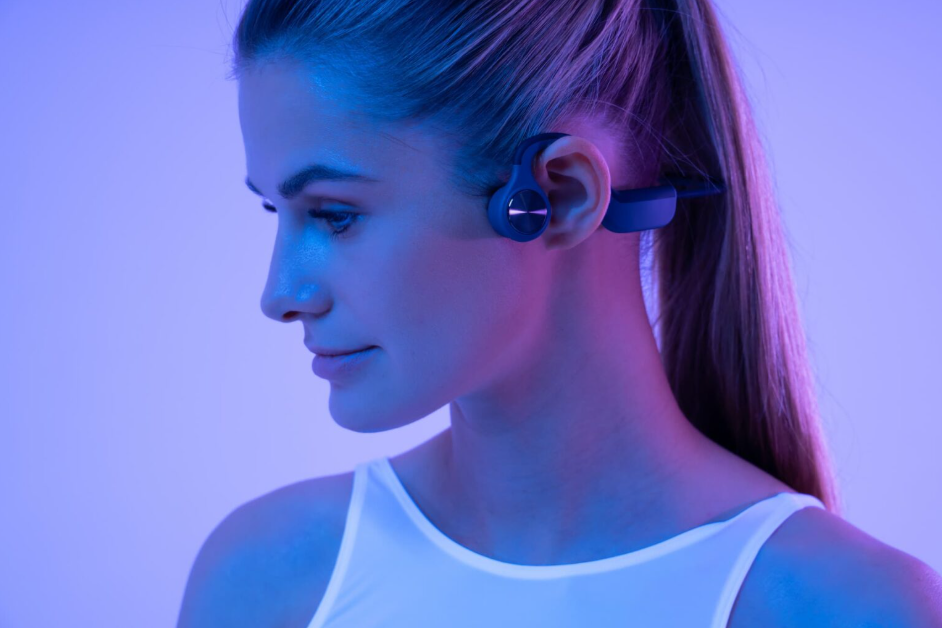
Using bone conduction headphones safely is mainly about controlling volume, managing listening time, and being aware of your environment. One of the most effective ways to reduce bone conduction headphones side effects is to keep the volume at a moderate level. Since these devices transmit sound directly to the inner ear through vibrations, turning the volume too high can still strain hearing even if the ear canal remains open. Experts generally recommend keeping audio at a level where you can still hear surrounding sounds comfortably without needing to increase the volume excessively.
Another important safety practice is limiting continuous listening sessions. Taking regular breaks allows the inner ear to recover from vibration exposure and reduces the risk of auditory fatigue. It is also helpful to ensure the headphones fit properly, as poor placement can increase pressure on the skull and lead to discomfort or headaches over time. In noisy environments, instead of increasing volume, it is safer to move to a quieter space whenever possible. By combining these habits, users can significantly reduce potential risks while still enjoying the benefits of bone conduction technology.
Bone Conduction vs Traditional Headphones Comparison
When comparing bone conduction headphones with traditional earbuds or over-ear headphones, the key difference is how sound reaches the inner ear. Traditional headphones send sound waves directly through the air into the ear canal, while bone conduction headphones transmit vibrations through the bones of the skull. This difference often comes up when discussing bone conduction headphones side effects, because many users assume that bypassing the ear canal automatically makes them safer, which is not entirely true.
In reality, both types of headphones can affect hearing health if users play audio at high volumes for long periods. Traditional headphones may lead to issues like ear canal irritation or wax buildup due to occlusion, while bone conduction headphones more often cause vibration-related discomfort or mild pressure on the skull. However, both types can contribute to noise-induced hearing loss if users do not control volume levels. The main advantage of bone conduction technology is environmental awareness, as users can still hear surrounding sounds, which makes them safer for outdoor activities. Still, neither option offers complete protection, so safe listening habits remain essential regardless of the type used.
Conclusion
In conclusion, bone conduction headphones offer a modern and convenient way to enjoy audio while staying aware of your surroundings, but they are not completely free from risks. The main concern surrounding bone conduction headphones side effects is that, despite bypassing the ear canal, they still deliver sound directly to the inner ear through bone vibrations. This means that excessive volume, long listening sessions, and improper use can still lead to hearing fatigue, discomfort, or even long-term hearing damage. While users may experience mild issues such as vibration sensitivity or temporary pressure around the skull, the most significant risk remains related to safe listening habits rather than the technology itself. When used responsibly, bone conduction headphones can be a practical and safe option for daily activities, especially outdoor use.
Ultimately, maintaining hearing health depends more on user behavior than the device type. Keeping volume at safe levels, taking regular breaks, and avoiding prolonged exposure in noisy environments can greatly reduce potential risks. By following these simple practices, users can enjoy the benefits of bone conduction technology while minimizing unwanted side effects.
FAQs
1. Are bone conduction headphones safe for daily use?
Yes, they are generally safe if used at moderate volume levels and for reasonable durations.
2. Can bone conduction headphones cause hearing loss?
Yes, prolonged exposure to high volume can still lead to hearing damage, just like regular headphones.
3. Why do bone conduction headphones feel uncomfortable for some people?
Some users experience vibration pressure or mild discomfort on the skull, especially during long use.
4. Are bone conduction headphones better than earbuds?
They are safer in terms of environmental awareness, but both can be harmful if used at high volumes.
For More Visit Accurate Unit Convert














Leave a Reply