

Many new parents become worried when their baby seems uncomfortable during bowel movements. However, constipation in babies is not always about how often they poop. Some babies naturally have fewer bowel movements than others, especially breastfed infants. The real concern is usually the consistency of the stool and whether passing it causes discomfort.
When researching how to help a constipated baby, it is important to understand that constipation typically involves hard, dry stools that are difficult to pass. A baby may strain, cry, or appear uncomfortable while trying to have a bowel movement. In some cases, constipation can affect feeding, sleep, and overall mood. Understanding the cause is the first step toward finding the right solution.
Common Signs of Constipation in Infants
Recognizing constipation early can help parents provide relief before the problem becomes more severe. While every baby has different bowel habits, certain signs may indicate constipation.
Common symptoms include:
- Hard or pellet-like stools
- Excessive straining during bowel movements
- Crying while pooping
- A swollen or firm abdomen
- Reduced appetite
- Blood streaks on hard stools
A baby who is constipated may also seem unusually fussy or uncomfortable throughout the day. Parents often notice changes in behavior before they recognize changes in bowel movements. Paying close attention to these signs can help determine whether constipation is the cause of the baby’s discomfort.
Why Babies Become Constipated

Constipation can develop for several reasons. One common cause is a change in diet. Babies transitioning from breast milk to formula or beginning solid foods may experience temporary digestive changes that affect bowel movements.
Dehydration is another contributing factor. As babies grow and consume more solids, they need adequate fluids to keep stools soft. Some foods, such as rice cereal, may also contribute to firmer stools in certain infants. Understanding these triggers can help parents identify what might be causing their baby’s constipation and make appropriate adjustments.
How to Help a Constipated Baby at Home
Parents searching for how to help a constipated baby often want safe home remedies before considering medical treatment. Fortunately, several gentle methods may encourage healthy bowel movements.
One effective approach is moving your baby’s legs in a bicycle motion. This exercise can stimulate the intestines and help move stool through the digestive system. Gentle tummy massages performed in a clockwise direction may also provide relief.
For older babies who have started solids, offering small amounts of water or pediatrician-approved fruit juices such as pear or prune juice may help soften stools. However, parents should always consult a healthcare professional before introducing new liquids, especially for very young infants.
“Constipation in infants is often manageable with simple dietary and lifestyle adjustments.” – Pediatric health experts
Best Foods for Babies Struggling With Constipation
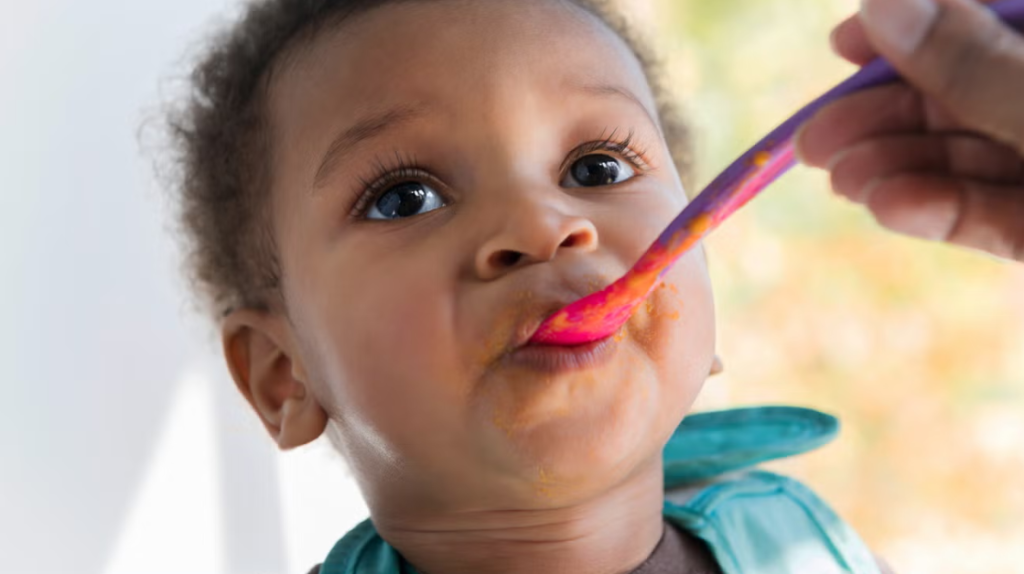
Once babies begin eating solid foods, nutrition plays a significant role in digestive health. Certain foods naturally support regular bowel movements and can be beneficial for constipated infants.
| Helpful Foods | Benefits |
|---|---|
| Prunes | Natural laxative effect |
| Pears | Contains sorbitol for stool softening |
| Peaches | High in fiber |
| Peas | Supports digestion |
| Plums | Encourages bowel regularity |
| Oatmeal | Provides gentle fiber |
Parents may notice improvements after gradually introducing these foods into their baby’s diet. Consistency is important, and dietary changes may take several days to show results.
Remedies Parents Should Avoid
While many home remedies are shared online, not all are safe for babies. Parents should avoid using laxatives, enemas, mineral oil, or suppositories unless specifically recommended by a healthcare professional.
Some remedies may provide temporary relief but could potentially cause harm or mask an underlying medical issue. It is always best to follow evidence-based guidance from pediatric experts rather than relying on unverified advice found on social media or discussion forums.
Safety should remain the top priority when addressing infant constipation.
When to Call a Pediatrician
Most cases of constipation improve with home care, but there are situations where medical attention is necessary. Parents should contact a healthcare provider if constipation persists despite home treatment or if concerning symptoms develop.
Warning signs include:
- Vomiting
- Fever
- Significant abdominal swelling
- Blood in the stool
- Refusal to eat
- Poor weight gain
A pediatrician can evaluate the baby’s condition, identify potential causes, and recommend appropriate treatment options if needed.
Preventing Constipation in the Future
Preventing constipation often involves maintaining healthy feeding habits and ensuring proper hydration. As babies transition to solids, introducing fiber-rich foods gradually can support healthy digestion.
Parents should also encourage regular physical movement through supervised play and tummy time. These activities help stimulate the digestive system naturally. Monitoring dietary changes and responding quickly to signs of constipation can reduce the likelihood of recurring problems.
Expert Advice for Concerned Parents
One of the most important things parents can remember is that every baby has unique bowel habits. Comparing one baby to another can lead to unnecessary worry. Instead, focus on stool consistency, comfort, and overall well-being.
Healthcare professionals recommend tracking feeding patterns, hydration levels, and bowel movements if constipation becomes a recurring issue. Keeping notes can help identify triggers and provide useful information during pediatric appointments.
Conclusion
Understanding how to help a constipated baby can make a significant difference in your child’s comfort and well-being. Constipation is common during infancy, particularly during dietary transitions, but it is often manageable with gentle home remedies, proper hydration, and appropriate nutrition. Parents should monitor symptoms carefully and seek medical advice whenever warning signs appear. With the right approach, most babies can return to comfortable and regular bowel movements.
FAQs
1. How long can a baby go without pooping?
Some breastfed babies may go several days without a bowel movement. Constipation depends more on stool consistency than frequency.
2. Is straining always a sign of constipation?
No. Many babies strain because their abdominal muscles are still developing. Soft stools usually indicate normal bowel movements.
3. Can formula cause constipation?
Some babies may experience constipation after switching formulas or transitioning from breast milk to formula.
4. What juice helps relieve constipation in babies?
Pear, apple, and prune juice are commonly recommended for older babies under pediatric guidance.
For More UpdateS Visit: Accurate Unit Convert













Leave a Reply