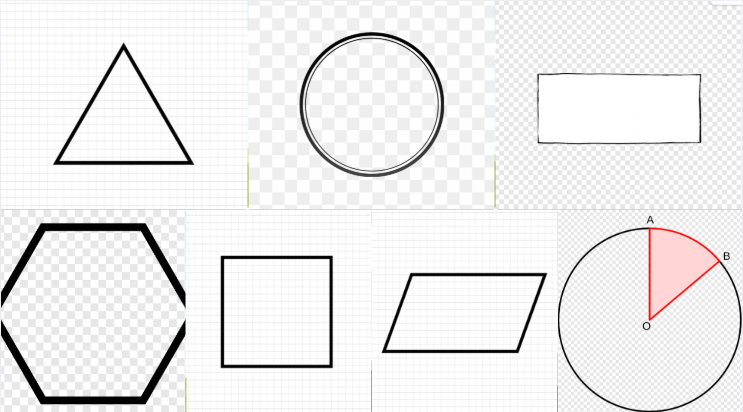
Understanding how to find area is one of the most essential concepts in geometry and everyday mathematics. Area refers to the total amount of surface covered by a two-dimensional shape. When people measure the size of a room, calculate the amount of paint needed for a wall, or determine the space inside a garden, they are essentially calculating area.
In mathematics, area is always measured in square units. These units can include square centimeters (cm²), square meters (m²), square inches (in²), or square feet (ft²). The square unit represents a small square that fits inside the shape, and the total number of these squares determines the area.
Learning how to find area is important not only for school mathematics but also for many real-world professions such as architecture, construction, interior design, engineering, and land surveying. Many complex shapes can be broken into smaller basic shapes like rectangles or triangles, making area calculations easier.
This guide explains how to find the area of common shapes, including triangles, circles, rectangles, trapezoids, squares, parallelograms, sectors, hexagons, and polygons. Each section explains the formula, the reasoning behind it, and how it applies in real situations.
How to Find Area of a Triangle
A triangle is a basic geometric figure made up of three sides and three angles. Understanding how to find area of a triangle is extremely important because many complex shapes can be divided into triangles for easier calculation. Triangles are used frequently in construction, engineering structures, and architecture because they provide stability and strength.
A=21bh
b
h
A=21bh≈24.00b = 8.0h = 6.0
The formula shows that the area of a triangle is equal to one-half multiplied by the base and the height. The base represents one side of the triangle, while the height represents the perpendicular distance from that base to the opposite vertex.
To apply this formula correctly, it is important to identify the correct base and the corresponding height. The height must form a 90-degree angle with the base. If the triangle is tilted or irregular, the height may fall outside the triangle, but the formula still works as long as the perpendicular distance is used.
Triangles can be classified into different types such as equilateral triangles, isosceles triangles, and scalene triangles. Even though their side lengths differ, the same area formula applies to all of them when the base and height are known.
In real-life applications, triangular area calculations are used when designing roof structures, road signs, bridges, and truss systems. Engineers often rely on triangular measurements because triangles distribute weight efficiently and maintain structural balance.
Understanding triangle area also helps in calculating the area of polygons because many polygons can be divided into multiple triangular sections.
How to Find Area of a Circle
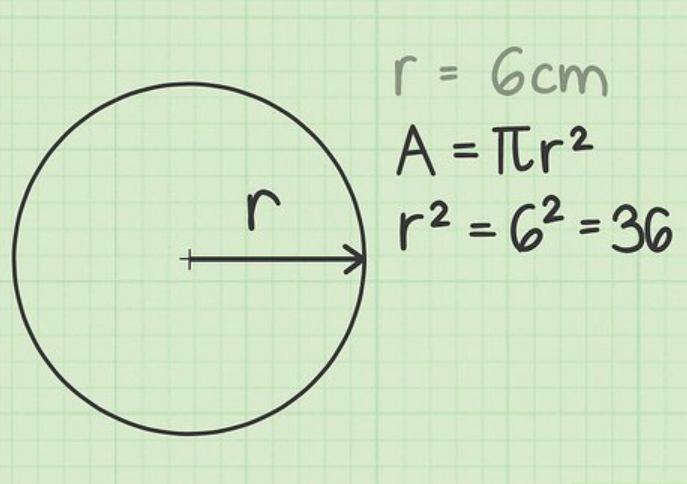
A circle is a perfectly round shape where every point on the boundary is the same distance from the center. Learning how to find area of a circle helps calculate the space inside round objects such as wheels, plates, ponds, or circular gardens.
A=πr2
r
A=πr2≈28.27
C=2πr≈18.85r = 3.00
The formula means that the area of a circle equals the value of pi multiplied by the square of the radius. The radius is the distance from the center of the circle to its outer boundary.
The mathematical constant π (pi) has an approximate value of 3.14159. It is used in all circle calculations because circles involve curved boundaries rather than straight edges. Without the value of π, it would not be possible to accurately measure circular areas.
To calculate the area correctly, the radius must first be determined. If the diameter of the circle is provided instead, the radius can be found by dividing the diameter by two. Once the radius is known, it is squared and multiplied by π to obtain the final area.
Circle area calculations are extremely useful in many fields. Architects may calculate circular floor plans, landscapers measure circular lawns, and engineers design circular pipes or mechanical components.
In science and engineering, circular measurements are also used when studying planetary motion, rotating machinery, and circular wave patterns.
Understanding the area of a circle also helps when calculating volumes of three-dimensional shapes such as cylinders, spheres, and cones.
Also Read:- How to Find Volume: A Complete Beginner-Friendly Guide
How to Find Area of a Rectangle
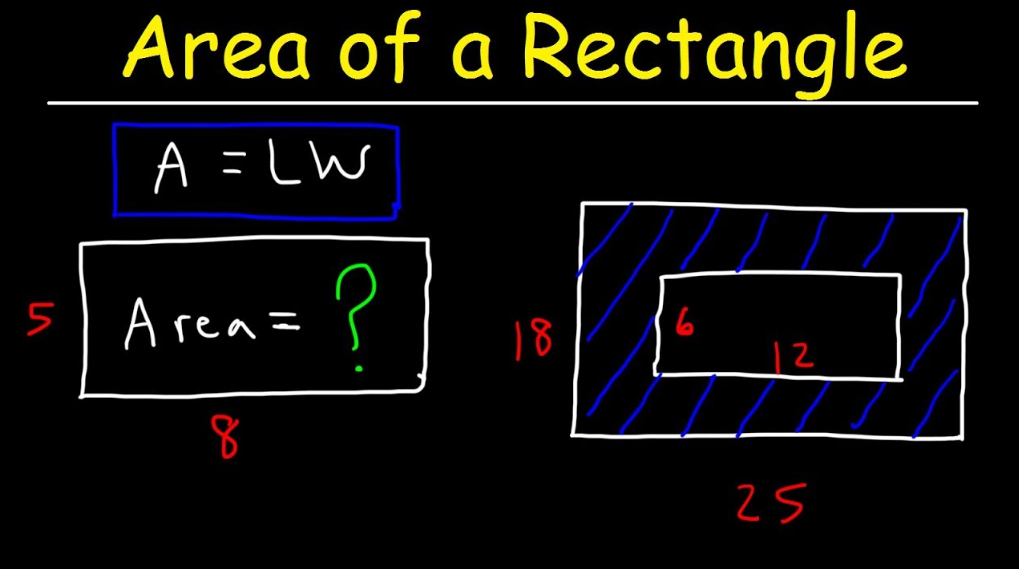
A rectangle is one of the most common shapes found in everyday life. It has four sides, and all four angles are right angles. Opposite sides of a rectangle are equal in length. Learning how to find area of a rectangle is one of the simplest geometry calculations.
The area of a rectangle is calculated by multiplying its length by its width. This formula works because a rectangle can be thought of as rows and columns of equal squares arranged in a grid pattern.
Rectangles are used in many everyday objects such as books, doors, rooms, windows, and computer screens. When people measure the floor space of a room or calculate how many tiles are required for flooring, they are usually applying the rectangle area formula.
When measuring real spaces, it is important to ensure that both length and width use the same measurement units. Mixing units such as meters and centimeters can lead to incorrect results.
Rectangular area calculations are also useful when dividing large spaces into smaller sections. For example, a farmer measuring land or a contractor planning building materials might divide the space into rectangular parts to make calculations easier.
Many complex geometric figures can be simplified into rectangles during problem solving. Because of this, the rectangle area formula becomes a foundation for understanding many other shapes.
Also Read:- How to Change Reddit Username (Simple Guide 2025–2026)
How to Find Area of a Trapezoid
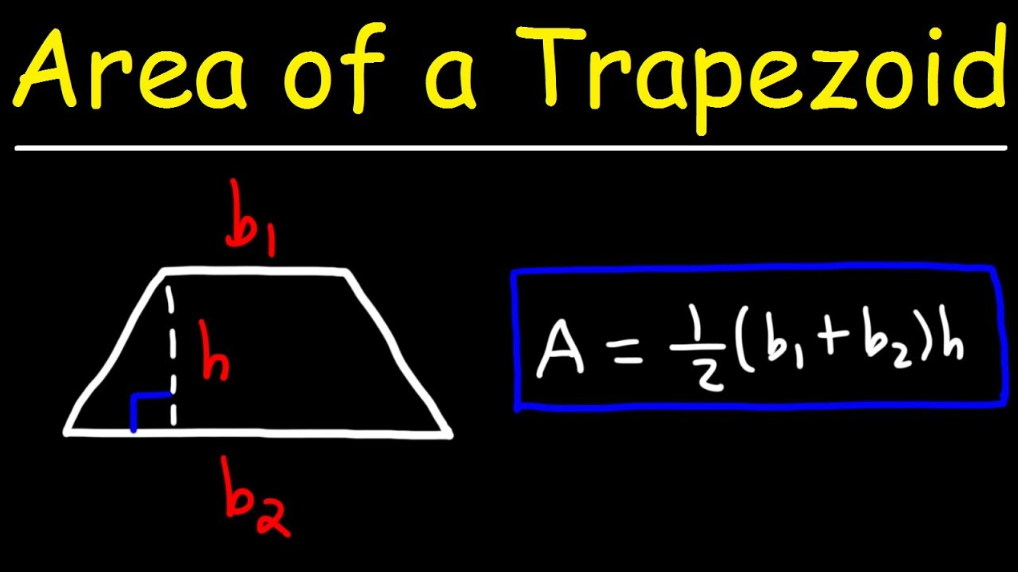
A trapezoid is a four-sided shape that has at least one pair of parallel sides. Learning how to find area of a trapezoid is useful when measuring shapes that are not perfectly rectangular but still have two sides that run parallel to each other.
The trapezoid area formula uses the lengths of the two parallel sides and the perpendicular height between them. The height is the vertical distance separating the parallel sides.
Trapezoids often appear in real-world structures such as bridges, roofs, road sections, and architectural designs. Many structural designs use trapezoidal shapes because they distribute weight efficiently while maintaining balance.
One way to understand trapezoid area is to imagine splitting the shape into a rectangle and two triangles. This visualization helps explain how the area formula combines different geometric parts.
Surveyors also use trapezoid calculations when measuring uneven land areas, especially when the land boundaries form irregular shapes but still contain parallel edges.
In mathematics and numerical analysis, trapezoid calculations are also used in approximation techniques such as the trapezoidal rule for estimating areas under curves.
Learning trapezoid area improves spatial reasoning and helps students understand more advanced geometric relationships.
Also Read:- How to Convert 56 Inches in Feet
How to Find Area of a Square
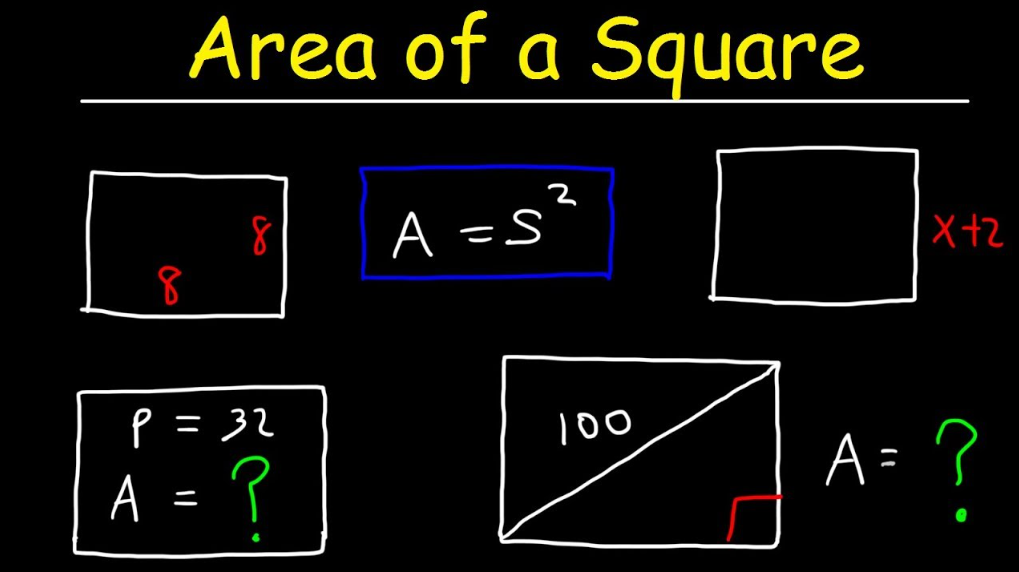
A square is a special type of rectangle in which all four sides are equal in length. Learning how to find area of a square is extremely simple because the formula only requires one measurement.
The area of a square is found by multiplying the length of one side by itself. Because all sides are equal, the calculation becomes straightforward.
Squares are common in building materials such as floor tiles, bricks, and paving stones. When installing square tiles in a room, builders use square area calculations to determine the total number of tiles required.
Squares also play an important role in mathematics because they represent the concept of squaring numbers. For example, when a number is multiplied by itself, it forms a square number.
Many coordinate grids, chess boards, and graph papers are based on square patterns because squares create uniform spacing and balanced design.
Understanding square area also helps when studying cubes and other three-dimensional shapes where equal sides are involved.
Also Read:- How to Convert Meters to Feet
How to Find Area of a Parallelogram
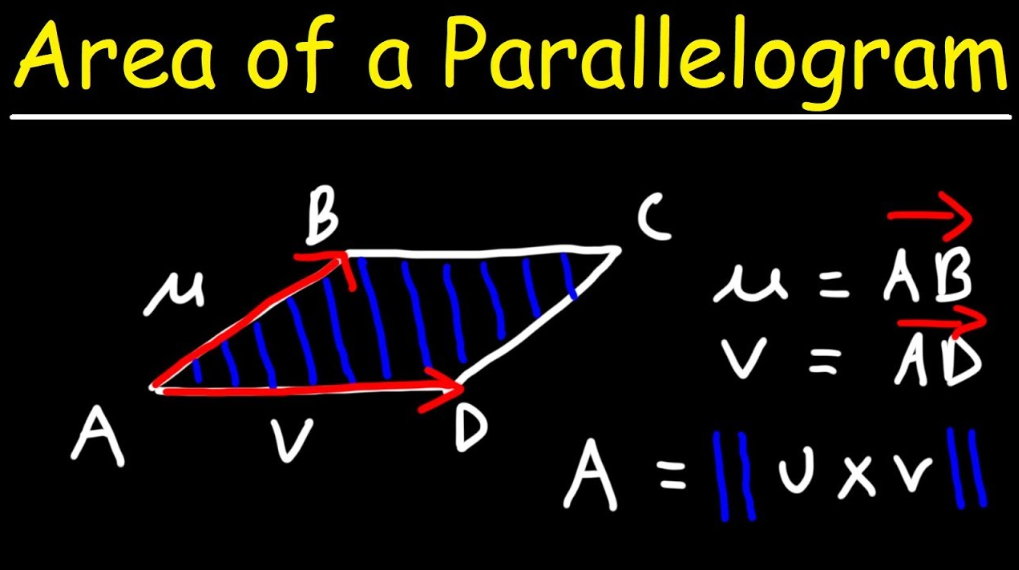
A parallelogram is a four-sided shape in which opposite sides are parallel and equal in length. The area of a parallelogram is calculated by multiplying the base by the perpendicular height.
Although a parallelogram may appear slanted compared to a rectangle, the area formula remains similar because the shape can be rearranged into a rectangle without changing its area.
Parallelogram shapes appear frequently in engineering designs, architectural patterns, and mechanical systems.
When learning this concept, it helps to imagine cutting a triangular piece from one side of the parallelogram and moving it to the opposite side. This transformation turns the shape into a rectangle, making the area relationship easier to understand.
Parallelogram area calculations also appear in physics when studying vector forces and motion diagrams.
Understanding this shape builds a bridge between simple rectangular geometry and more advanced geometric transformations.
Also Read:- How to Convert 70 Meters to Feet
How to Find Area of a Sector
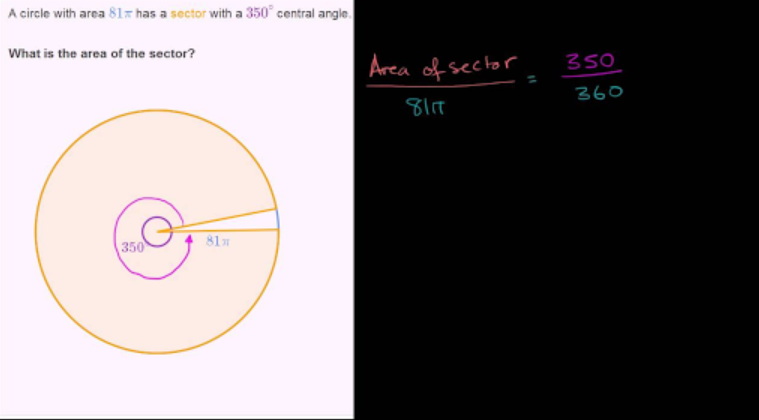
A sector is a portion of a circle formed by two radii and the arc between them. It looks similar to a slice of pizza or a piece of pie.
The area of a sector depends on the radius of the circle and the central angle that forms the slice.
If the central angle represents a fraction of the full 360-degree circle, the sector area will represent the same fraction of the total circle area.
Sector calculations are commonly used when analyzing pie charts, mechanical rotation systems, and circular motion problems.
In engineering, sectors may represent rotating machine components or sections of circular structures.
Understanding sector area helps students interpret data visualizations and understand proportional relationships within circular shapes.
Also Read:- How to Convert 14 cm to Inches: The Exact Measurement
How to Find Area of a Hexagon
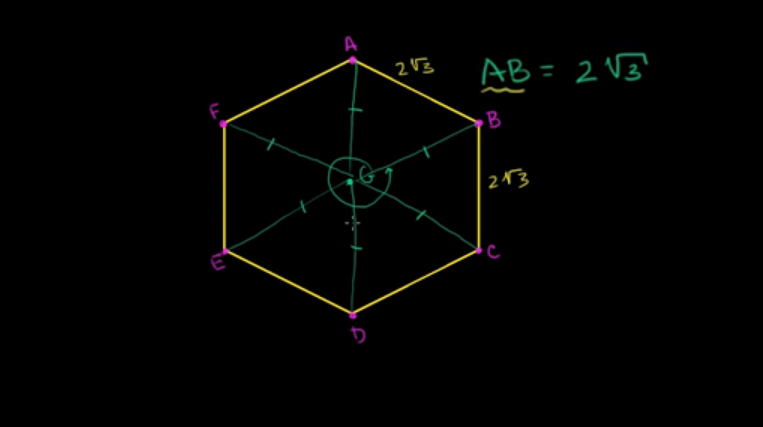
A hexagon is a six-sided polygon that appears frequently in both nature and design.
Regular hexagons have equal sides and equal angles, which makes their area calculations easier.
One common way to calculate the area of a hexagon is by dividing it into six identical equilateral triangles. Once the area of one triangle is calculated, it can be multiplied by six to obtain the total hexagon area.
Hexagonal patterns appear in honeycombs created by bees. This structure efficiently stores honey while using minimal material.
Hexagon shapes are also used in modern floor tile designs, engineering structures, and chemical molecular diagrams.
Understanding hexagon area improves knowledge of symmetrical shapes and geometric efficiency.
Also Read:- How to Convert 56 cm to Inches in Seconds
How to Find Area of a Polygon
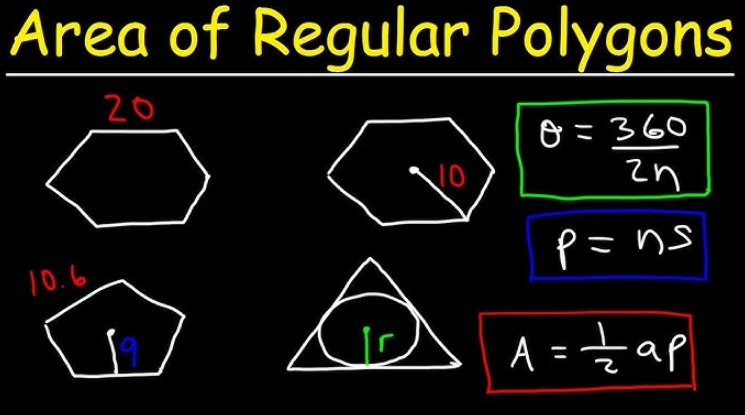
A polygon is any shape that has three or more straight sides. Examples include triangles, quadrilaterals, pentagons, hexagons, and octagons.
Calculating the area of a polygon often involves dividing the shape into smaller sections such as triangles or rectangles. Once the area of each section is calculated, they can be added together to obtain the total area.
Polygon calculations are widely used in land surveying where land boundaries form irregular shapes.
In computer graphics and animation, digital models are constructed using thousands of tiny polygons. Calculating polygon areas helps determine surface properties and rendering accuracy.
Architects also use polygon calculations when designing complex floor layouts or decorative structures.
Learning how to calculate polygon area strengthens geometric understanding and prepares students for advanced mathematics and engineering studies.
Also Read:- How to Convert Acres to Square Feet – Complete Step-by-Step Guide
Conclusion
Learning how to find area is a fundamental skill that connects mathematics with real-world applications. From measuring simple shapes like squares and rectangles to calculating complex figures like trapezoids, sectors, and polygons, area formulas allow us to measure space accurately.
These calculations are essential in construction, architecture, engineering, landscaping, and everyday planning tasks. By understanding the formulas and practicing with different shapes, anyone can confidently solve area problems and apply geometry to real situations.
Mastering area calculations also provides a strong mathematical foundation that supports advanced topics such as trigonometry, calculus, and physics.
FAQs About How to Find Area
What is area in mathematics?
Area is the measurement of the space inside a two-dimensional shape and is expressed in square units.
Why is area important in real life?
Area helps measure land, rooms, building materials, and many practical spaces in everyday life.
What units are used for area?
Common units include square meters, square centimeters, square feet, and square inches.
What is the difference between perimeter and area?
Perimeter measures the distance around a shape, while area measures the space inside the shape.
Can irregular shapes have area?
Yes. Irregular shapes can be divided into smaller regular shapes, and their areas can then be added together.
For More UpdateS Visit: Accurate Unit Convert