
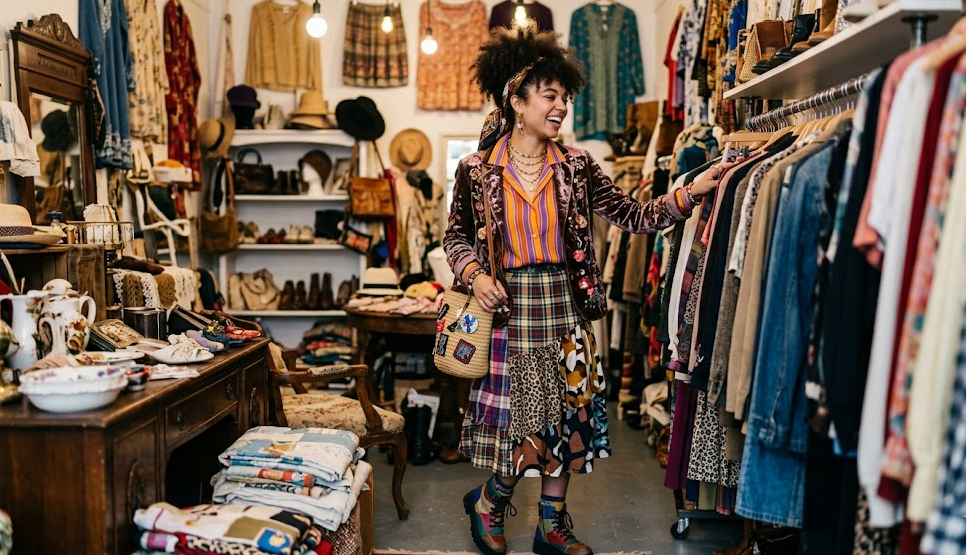
Maximalism fashion is a bold and expressive style approach that focuses on “more is more,” where outfits are designed using rich colors, mixed patterns, and layered textures. Unlike minimalism, which relies on simplicity and neutral tones, maximalism encourages creativity through visual abundance. It allows fashion to become a personal statement, where clothing reflects emotion, personality, and individuality rather than following strict styling rules.
This style is often seen in combinations that may look unconventional at first, such as pairing bright prints with textured fabrics or mixing vintage pieces with modern designs. The goal is not to match perfectly but to create a visually exciting and intentional contrast. Maximalism fashion gives people the freedom to experiment without limits, making it one of the most flexible and artistic forms of modern dressing.
Key Elements That Define Maximalism Fashion
Maximalism fashion relies on a few strong visual principles that make it instantly recognizable. One of the most important elements is the use of bold and saturated colors that stand out instead of blending in. These colors often combine in unexpected ways, creating high-contrast looks that feel energetic and expressive. Another key feature is pattern mixing, where stylists layer florals, stripes, animal prints, and abstract designs together in a single outfit to create visual depth.
Texture also plays a major role in maximalism fashion, as designers and style enthusiasts often combine materials like silk, denim, leather, sequins, and knitwear in one look. This layering effect adds dimension and richness to the outfit. Accessories are equally important, with oversized jewelry, statement bags, and dramatic shoes completing the overall aesthetic. Together, these elements create a style that is bold, creative, and unapologetically expressive.
The Evolution and History of Maximalism Fashion
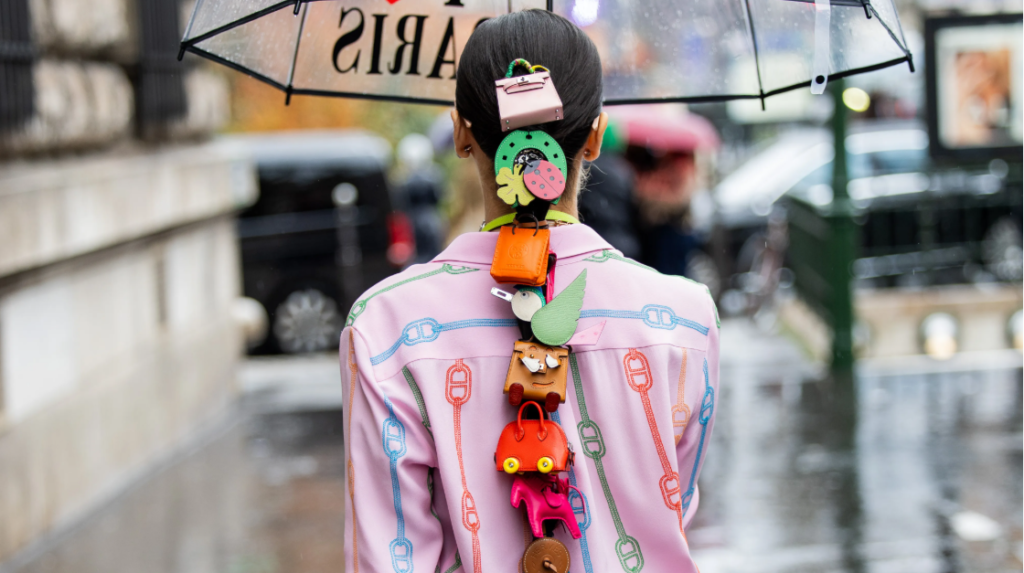
Maximalism fashion has deep historical roots that stretch across different fashion eras, each contributing to its bold and expressive identity. In earlier centuries, styles like Baroque and Victorian fashion already embraced decorative details, rich fabrics, and elaborate silhouettes. These periods valued visual richness and ornamentation, laying the foundation for what we now recognize as maximalist styling. Over time, fashion shifted toward cleaner and more structured looks, but maximalist elements never fully disappeared.
The modern revival of maximalism fashion became more visible during the 1970s and 1980s, when disco culture and bold street style encouraged brighter colors, oversized silhouettes, and experimental combinations. In recent years, the trend has returned strongly as a reaction against minimalism and neutral “quiet luxury” aesthetics. Today’s designers and fashion influencers are reintroducing maximalism through runway collections and digital platforms, making it a global style movement that celebrates individuality and creative freedom.
Celebrity Influence on Maximalism Fashion Trends
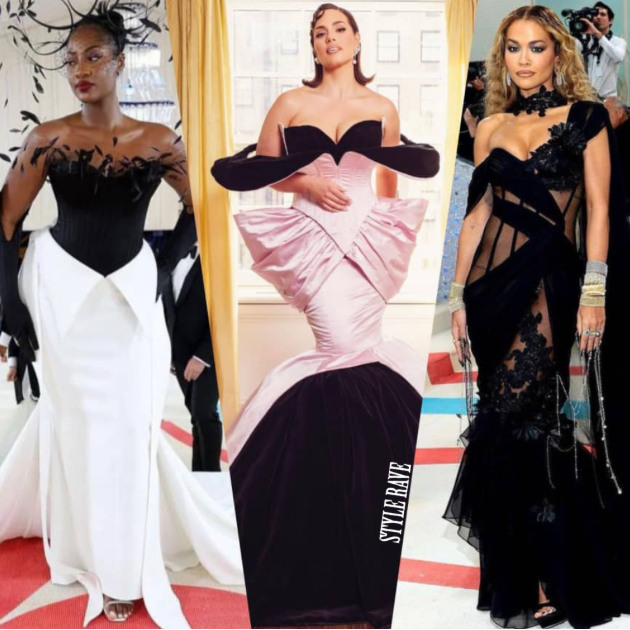
Maximalism fashion has grown rapidly in popularity because celebrities and influencers continuously push bold style boundaries. Many public figures use red carpet events, music videos, and street style appearances to showcase outfits that combine vibrant colors, dramatic silhouettes, and layered accessories. These looks often set new fashion standards and inspire global audiences to experiment with more expressive dressing choices instead of sticking to simple or neutral styles.
Over time, celebrity culture has turned maximalism fashion into a mainstream trend rather than a niche aesthetic. When well-known personalities wear statement pieces or mix unexpected patterns, it quickly spreads across social media platforms and fashion communities. This influence has helped normalize creative freedom in styling, encouraging everyday fashion lovers to view clothing as a form of artistic expression rather than just practical wear.
How to Style Maximalism Fashion in Everyday Life
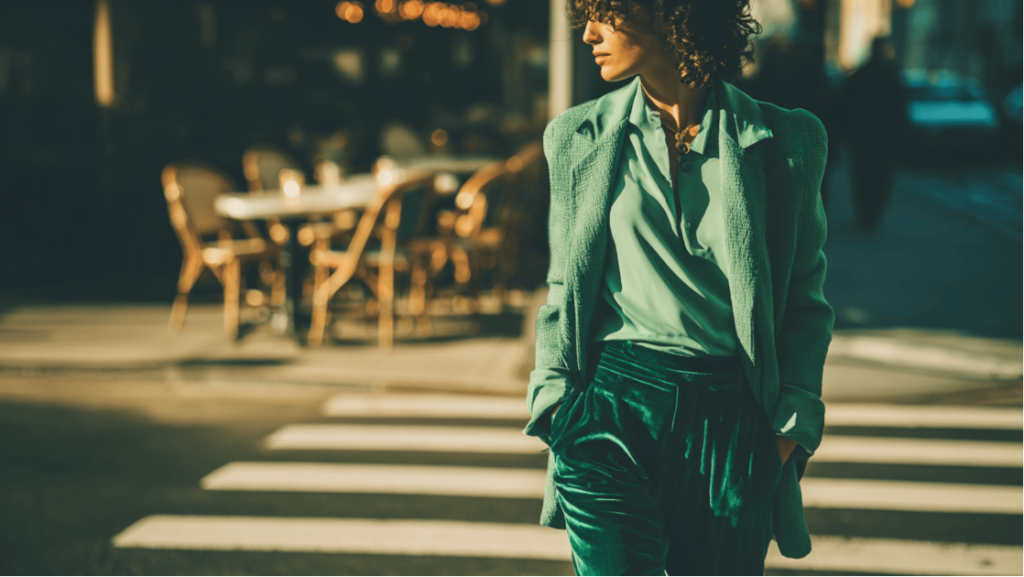
Maximalism fashion can feel bold at first, but it becomes easy to wear in daily life when you understand how to balance colors, patterns, and textures. The key is to start with one strong statement piece—such as a printed jacket, colorful dress, or oversized accessory—and build the outfit around it. Instead of trying to match everything perfectly, focus on creating contrast that still feels intentional and visually appealing.
In everyday styling, layering plays an important role. You can combine different fabrics like denim, cotton, silk, or knitwear to add depth without making the outfit look chaotic. Accessories should also be used thoughtfully, as statement earrings, bold bags, or chunky shoes can elevate a simple base outfit. The goal of maximalism fashion in daily wear is not excess for the sake of excess, but controlled creativity that reflects personality while remaining wearable and confident.
Common Mistakes in Maximalism Fashion Styling
Maximalism fashion gives full creative freedom, but many people struggle when they go overboard or lose balance in their outfits. One of the most common mistakes is combining too many bold elements without any visual focus. When every piece in an outfit competes for attention, the overall look can feel chaotic instead of stylish. A strong maximalist outfit still needs a central point, such as a standout color, print, or accessory, to guide the eye.
Another frequent issue is ignoring proportion and harmony. Even though maximalism fashion encourages mixing patterns and textures, there still needs to be some level of coordination. For example, pairing multiple loud prints without balancing them with neutral tones can overwhelm the outfit. Similarly, over-accessorizing can distract from the main look. The key is to embrace creativity while maintaining a sense of structure, so the outfit feels expressive rather than messy.
Future Trends of Maximalism Fashion
Maximalism fashion will continue to evolve as designers and consumers move further away from minimal and neutral aesthetics. The future of this style leans toward greater personalization, where outfits become not only bold but also deeply reflective of individual identity. Digital fashion, social media influence, and AI-driven styling tools shape how people interpret maximalism, making it more experimental and accessible than ever.
In upcoming trends, stronger fusion between vintage inspiration and modern design will emerge, along with increased use of sustainable materials in bold and expressive ways. Fashion houses will also explore more cultural mixing, combining patterns, fabrics, and silhouettes from different regions into a single look. This evolution shows that maximalism fashion does not fade—it grows more refined, creative, and globally influenced while still keeping its core idea of “more is more.”
Conclusion
Maximalism fashion stands as a powerful reminder that style is not limited by rules or simplicity. It celebrates creativity, individuality, and emotional expression through bold colors, mixed patterns, and layered textures. Unlike minimalist trends, maximalism allows people to build outfits that reflect personality rather than conformity, making fashion feel more personal and expressive. As it continues to grow in popularity, it is clear that this style is not just a passing trend but a long-term shift in how people approach dressing.
At its core, maximalism fashion encourages confidence and experimentation. Whether through statement pieces, creative layering, or unexpected combinations, it gives freedom to explore identity through clothing. As fashion continues to evolve, this expressive style will likely remain a key influence in both everyday wear and high-fashion design.
FAQs
1. What defines maximalism fashion?
Maximalism fashion is a style that focuses on bold colors, mixed patterns, and layered clothing to create expressive and visually rich outfits.
2. Is maximalism fashion hard to style?
It can feel challenging at first, but it becomes easier when you focus on one statement piece and build around it with balanced elements.
3. Can maximalism fashion be worn daily?
Yes, it can be adapted for everyday wear by using simpler base pieces and adding bold accessories or prints gradually.
4. Why is maximalism fashion becoming popular again?
It is gaining popularity because people want more self-expression in clothing, especially after years of minimal and neutral fashion trends.
For More Visit Accurate Unit Convert











Leave a Reply