
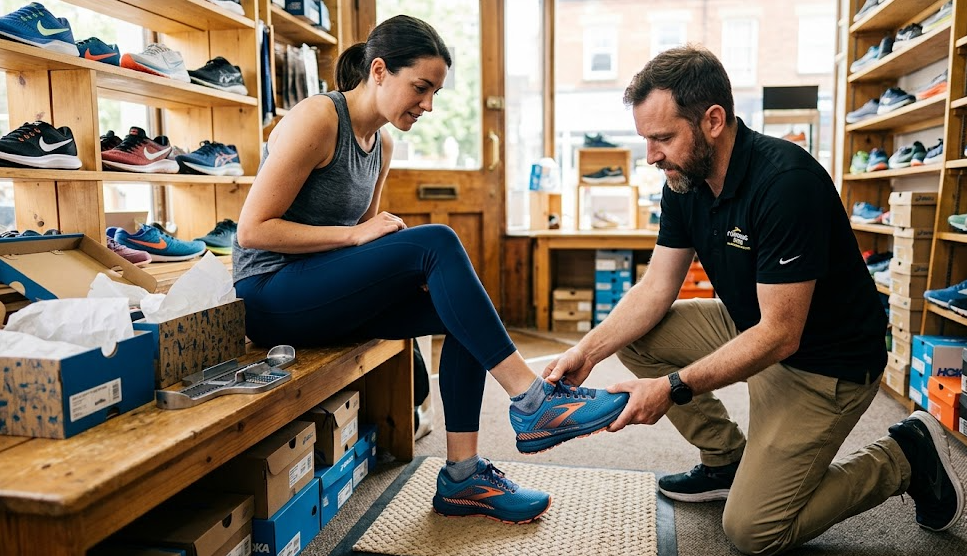
A proper understanding of how running shoes should fit is the foundation of choosing the right pair for comfort and performance. Many runners mistakenly think that tighter shoes offer better support, but in reality, running shoes should feel secure without restricting natural foot movement. The ideal fit balances comfort and stability, allowing your feet to move, expand, and flex during activity without causing pressure or pain. When learning how to fit running shoes, it’s important to focus on overall feel rather than just size numbers, because different brands may fit differently even in the same size.
A well-fitted running shoe typically feels snug around the midfoot, secure at the heel, and spacious in the toe box. There should be no pinching, numbness, or slipping when you walk or lightly jog. Experts consistently highlight that running shoes should feel comfortable immediately without needing a “break-in” period. Understanding this basic principle helps prevent injuries like blisters, toenail damage, and arch strain, making it a key step in mastering how to fit running shoes correctly.
Measuring Your Feet Correctly Before Buying Shoes
Accurately measuring your feet is one of the most important steps in learning how to fit running shoes properly. Many people rely on old shoe sizes, but foot size can change over time due to age, weight changes, or even daily swelling. Because of this, experts recommend measuring your feet every time you plan to buy new running shoes. This ensures you are selecting a size that matches your current foot shape rather than an outdated assumption.
To get the most accurate measurement, it’s best to measure your feet in the evening when they are slightly larger due to natural swelling from daily activity. Stand on a piece of paper, trace both feet, and measure the length from heel to the longest toe, as well as the width at the widest point. Always use the larger foot as your reference when selecting shoe size. This step is essential in understanding how to fit running shoes, because even a small sizing error can lead to discomfort, blisters, or reduced running performance over time.
The Importance of Toe Space and Forefoot Comfort
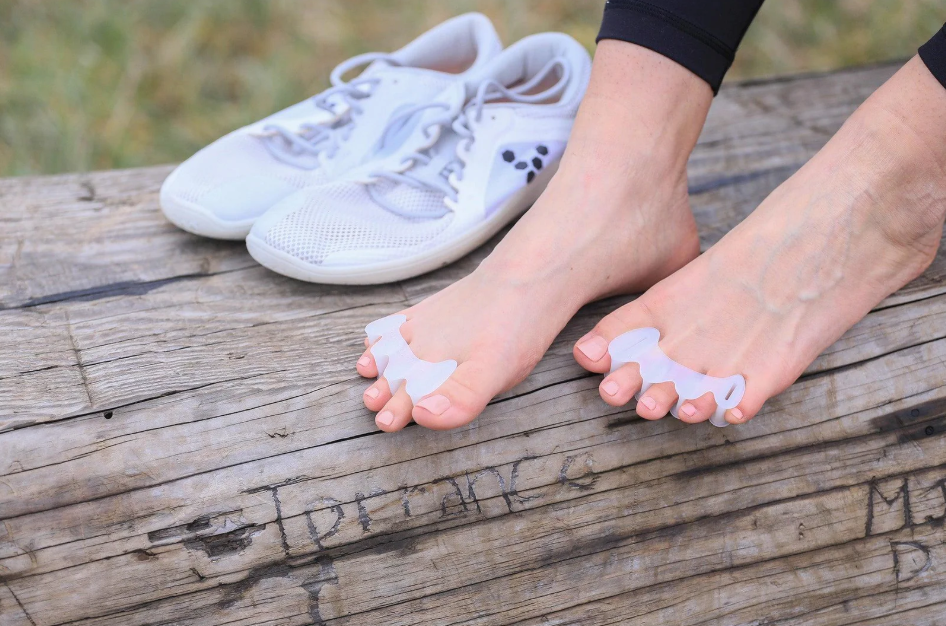
Toe space is one of the most critical factors when learning how to fit running shoes, yet it is often ignored by many runners. Your toes need enough room to spread naturally during movement, especially when your feet expand while running. Without proper space in the toe box, pressure builds up in the front of the shoe, which can lead to pain, blisters, or even black toenails over time. A properly fitted running shoe should always allow your toes to move freely without feeling cramped or forced into a tight position.
Experts generally recommend leaving about a thumb’s width of space between your longest toe and the front of the shoe. This small gap is essential because your feet naturally swell during physical activity. The forefoot area should feel comfortable and unrestricted, not compressed or stiff. When understanding how to fit running shoes, this balance of space and support helps maintain comfort during both short jogs and long-distance runs, reducing the risk of injuries and improving overall running efficiency.
Heel Lock and Midfoot Fit Explained
Heel lock and midfoot fit play a major role in understanding how to fit running shoes correctly because they control stability and prevent unwanted movement inside the shoe. If your heel is not properly secured, it can slip up and down while running, leading to blisters and loss of control. A good running shoe should hold your heel firmly in place without creating pressure or discomfort, ensuring that your foot stays stable with every step you take.
The midfoot area should feel snug but never tight, acting like a secure wrap around the middle of your foot. This section provides balance and support, especially during fast movements or longer runs. If the midfoot feels too loose, your foot may slide forward, while excessive tightness can restrict circulation and cause discomfort. When learning how to fit running shoes, achieving the right combination of heel security and midfoot comfort is essential for preventing injuries and improving running efficiency.
Trying Shoes for Real Running Performance
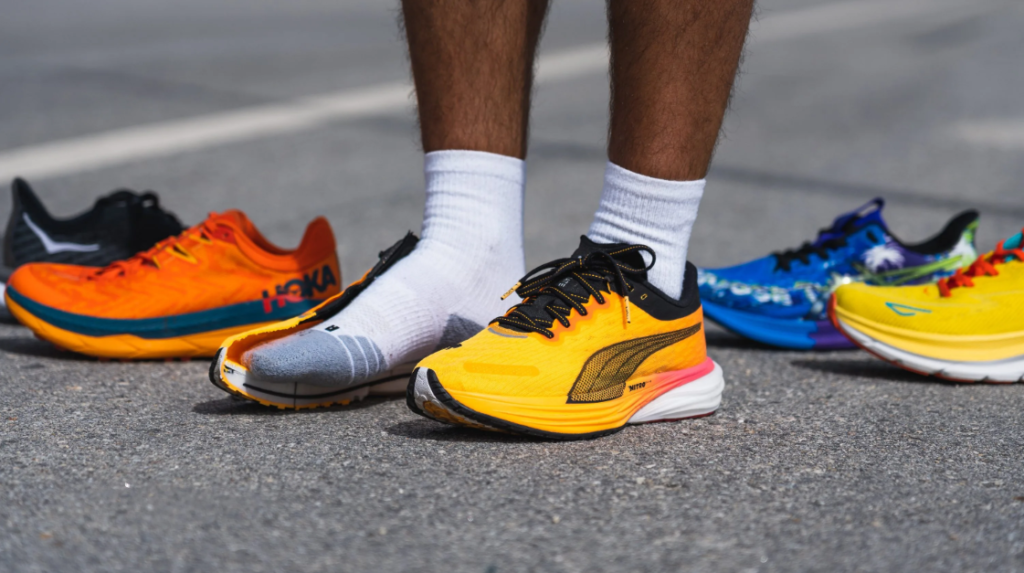
Testing running shoes in real movement is a crucial step in learning how to fit running shoes properly. Simply standing or walking in a store is not enough because running places different pressure on your feet. A proper test should include light jogging or quick movements to see how the shoes respond under real conditions. This helps you understand whether the shoe supports your natural stride or causes discomfort during motion.
When trying shoes, pay attention to how they feel after a few minutes of activity. The shoe should remain comfortable without creating pressure points, slipping, or stiffness. Your feet should feel supported but not restricted, especially in the heel and midfoot areas. Many experts suggest that if a shoe feels even slightly uncomfortable during the first try, it will likely become more problematic during longer runs. This makes real-performance testing an essential part of mastering how to fit running shoes effectively and avoiding future injuries.
Common Mistakes People Make When Fitting Running Shoes
Many runners struggle with how to fit running shoes correctly because they repeat common mistakes that lead to discomfort and injury. One of the biggest errors is choosing shoes based only on size without considering brand differences, foot shape, or activity type. Shoe sizes are not always consistent across brands, so relying only on your usual size can result in a poor fit that feels tight or loose during running.
Another frequent mistake is ignoring foot swelling during activity. Feet naturally expand when you run, but many people buy shoes that fit perfectly while standing still, only to find them too tight during exercise. Some also make the mistake of not checking heel stability or toe space properly, leading to blisters, toenail pain, or instability. Understanding these common errors is an important step in mastering how to fit running shoes, as it helps you avoid long-term discomfort and ensures better performance with every run.
Expert Tips for Long-Term Comfort and Injury Prevention
When learning how to fit running shoes, expert advice focuses not only on immediate comfort but also on long-term foot health and injury prevention. One key tip is to always prioritize comfort over appearance or brand popularity. A shoe that looks good but doesn’t support your foot properly can quickly lead to pain, fatigue, or even chronic injuries. Professionals recommend replacing running shoes regularly as worn-out cushioning and support can negatively affect your stride over time.
Another important tip is to match your shoe type with your running style and foot shape. Runners with flat feet, high arches, or wide feet all require different levels of support and cushioning. Experts also suggest rotating between two pairs of running shoes if you run frequently, as this allows each pair to recover and maintain structure. Paying attention to these long-term habits is essential in mastering how to fit running shoes, ensuring both performance and injury prevention stay consistent over time.
Conclusion
Understanding how to fit running shoes is essential for improving comfort, performance, and long-term foot health. A properly fitted shoe supports your natural movement, reduces the risk of injury, and makes running more enjoyable. From measuring your feet correctly to ensuring proper toe space, heel lock, and midfoot support, each step plays an important role in finding the right fit. Even small mistakes in sizing or comfort checks can lead to discomfort, blisters, or reduced performance over time.
In the end, the best running shoe is the one that feels right from the very first wear. By focusing on fit rather than just size or brand, runners can avoid common problems and enjoy a smoother running experience. Mastering how to fit running shoes helps you build consistency, protect your feet, and get the most out of every run.
FAQs
1. How much space should I leave in running shoes?
You should leave about a thumb’s width of space between your longest toe and the front of the shoe.
2. Should running shoes feel tight or loose?
They should feel snug in the midfoot and heel but have enough room in the toe box—never tight or loose.
3. Can I use my regular shoe size for running shoes?
Not always. Running shoes often fit differently by brand, so always try them before buying.
4. How do I know if my running shoes fit correctly?
If your heel doesn’t slip, toes can move freely, and there are no pressure points, the fit is likely correct.
For More UpdateS Visit: Accurate Unit Convert












Leave a Reply