
Maintaining the correct tire pressure is one of the simplest yet most important aspects of vehicle care. If you’ve ever wondered how to check tire pressure, you’re not alone. Millions of drivers ignore this small task, but it directly affects safety, fuel efficiency, tire lifespan, and overall driving comfort.
Whether you’re driving a compact car, SUV, or electric vehicle, knowing how to check tire pressure properly ensures your vehicle performs at its best. In this comprehensive guide, you’ll learn everything—from using a gauge to checking pressure without tools, including vehicle-specific methods like Honda and Tesla systems.
Why Tire Pressure Matters
Tire pressure is not just about keeping your tires inflated; it directly impacts your driving safety and performance. Properly inflated tires improve grip, braking distance, and stability on the road. Underinflated tires can overheat and increase the risk of blowouts, while overinflated tires reduce traction and wear unevenly.
Another critical factor is fuel efficiency. When tire pressure is low, your engine works harder, increasing fuel consumption. Studies show that underinflated tires can reduce fuel efficiency by up to 3%. Maintaining proper tire pressure saves money in the long run.
Finally, correct tire pressure extends tire life. Even wear across the tire surface prevents premature replacements, making it a cost-effective habit every driver should adopt.
How to Check Tire Pressure with Gauge
Checking tire pressure with a gauge is the most accurate and recommended method. A tire pressure gauge measures the air pressure inside your tires and gives a precise reading, ensuring you maintain the manufacturer’s recommended PSI (pounds per square inch).
First, ensure your tires are cold, as heat can increase pressure and give inaccurate readings. Remove the valve cap from the tire, press the gauge firmly onto the valve stem, and read the displayed number. Compare this number with the recommended PSI listed in your car manual or door frame sticker.
If the pressure is low, add air until it reaches the correct level. If it’s too high, release air slowly. Always recheck after adjustments. This simple process ensures accuracy and keeps your vehicle safe on the road.
Also Read:- How to Light a Charcoal Grill (Beginner Guide)
How to Check Tire Pressure Without Gauge
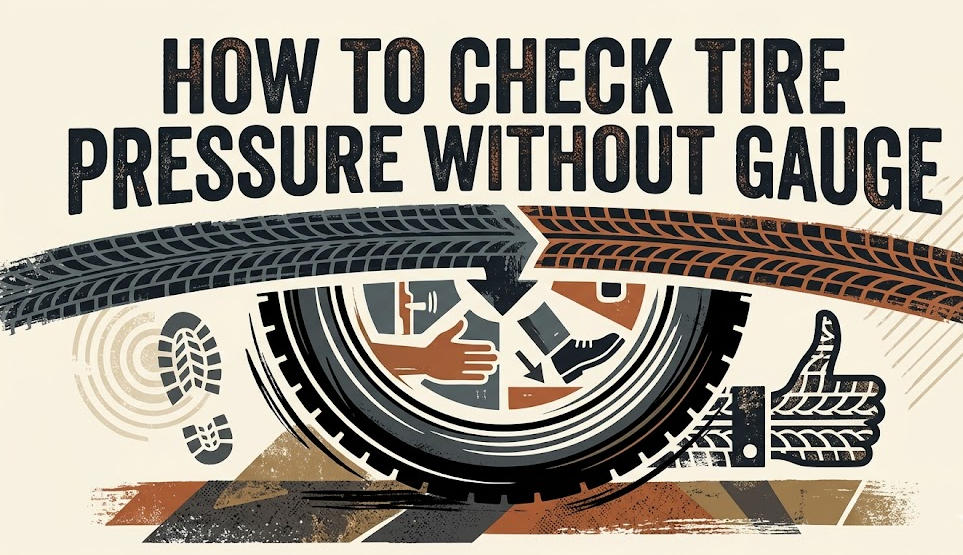
If you don’t have a gauge, you can still estimate tire pressure, though it won’t be as accurate. Visual inspection is the most common method. Look at the tire from the side—if it appears flattened at the bottom, it likely has low pressure.
Another method is the “push test.” Press down firmly on the tire using your hand or foot. A properly inflated tire should feel firm and resist pressure. If it feels soft or easily compresses, it may need air.
While these methods are helpful in emergencies, they should not replace regular checks with a proper gauge. For long-term safety and performance, always verify your tire pressure using accurate tools when possible.
Also Read:- How to Draw Shrek (Easy Step-by-Step Guide)
How to Check Tire Pressure at Gas Station
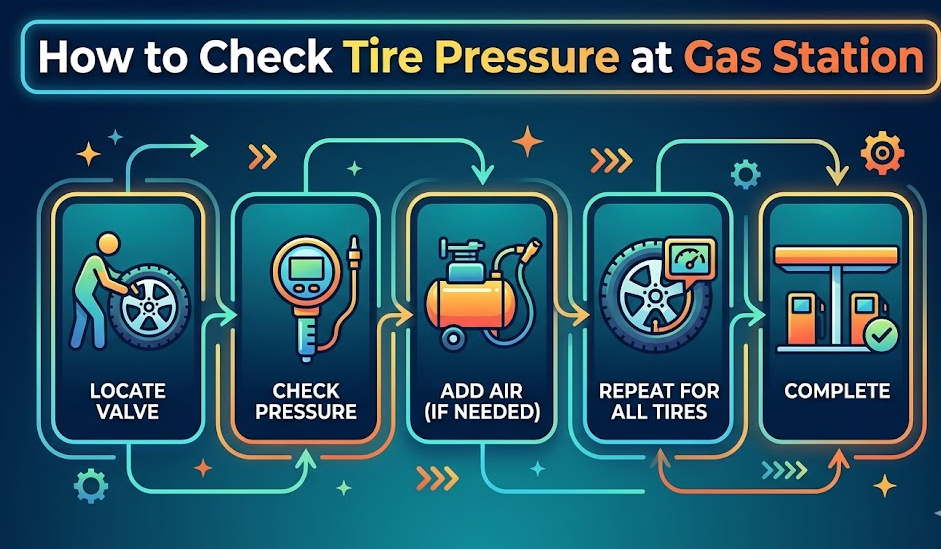
Gas stations often provide air pumps with built-in pressure gauges, making them convenient for quick checks. Drive your vehicle to the air station and park close enough to reach all tires with the hose.
Remove the valve cap and attach the air hose nozzle securely to the valve stem. Most machines will display the current pressure automatically. If not, you may need to press a button to measure it. Adjust the pressure by adding or releasing air until it matches the recommended PSI.
This method is ideal for quick maintenance during travel. However, remember to check your tire pressure when tires are cold for the most accurate readings.
Also Read:- How to Make Coffee: Simple Beginner Guide
How to Check Tire Pressure on Dashboard
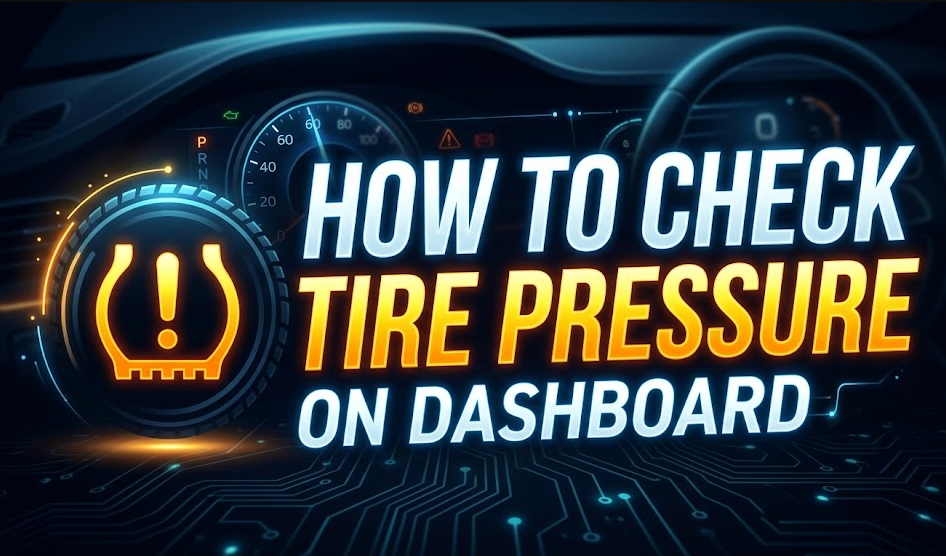
Modern vehicles are equipped with a Tire Pressure Monitoring System (TPMS), which displays tire pressure directly on the dashboard. This system alerts you when pressure drops below safe levels.
To check tire pressure using your dashboard, navigate through your vehicle’s settings menu. Look for the tire pressure section, which shows individual readings for each tire. Some vehicles display real-time PSI values, while others only show warnings.
Although TPMS is helpful, it should not replace manual checks. Sensors may not always detect small pressure changes, so combining dashboard monitoring with regular manual checks is the best approach.
Also Read:- How to Clear Cache on iPhone: Simple and Complete Guide
How to Check Tire Pressure on Honda Civic
If you’re driving a Honda Civic, checking tire pressure is simple thanks to its built-in systems. Start by turning on the ignition and accessing the vehicle’s display menu. Navigate to the tire pressure section to view current readings.
For manual checking, use a tire pressure gauge on each tire. The recommended PSI is usually listed on a sticker inside the driver’s door. Compare the readings and adjust as needed.
Honda Civics also require TPMS recalibration after adjusting pressure. This ensures the system provides accurate alerts in the future. Always follow the recalibration steps outlined in your owner’s manual.
Also Read:- How to Find Area: Complete Beginner-Friendly Guide
How to Check Tire Pressure on Honda Accord
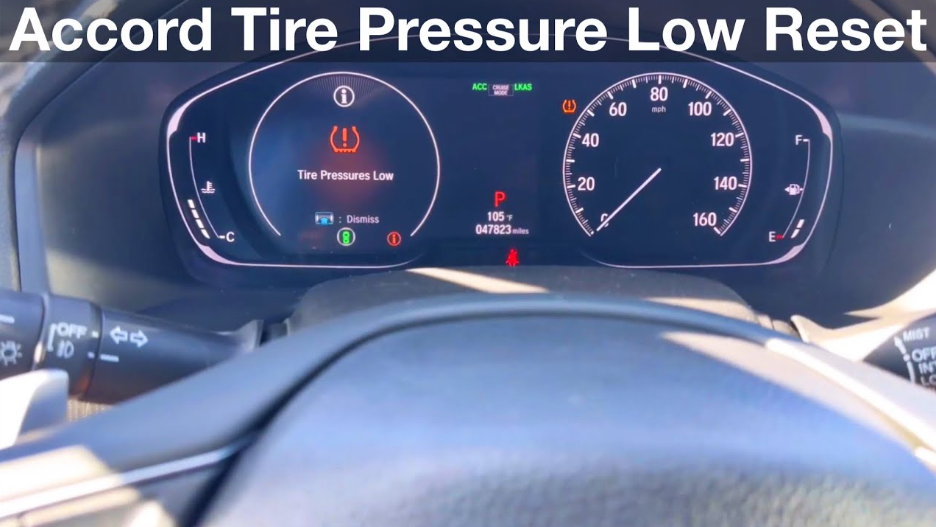
The Honda Accord offers both manual and digital ways to check tire pressure. You can use a traditional gauge for precise readings or rely on the dashboard system for convenience.
To use the dashboard, access the settings menu and locate the tire pressure display. This will show whether your tires are properly inflated or need adjustment.
After inflating your tires, remember to reset the TPMS system. This step ensures the system recognizes the new pressure levels and continues to function correctly.
Also Read:- How to Find Volume: A Complete Beginner-Friendly Guide
How to Check Tire Pressure Honda Accord (Quick Method)
For a quick check on a Honda Accord, start with the dashboard alert system. If a warning light appears, it indicates low pressure in one or more tires.
Next, use a portable gauge for confirmation. Check each tire individually and adjust the air pressure as needed. This ensures accuracy beyond the dashboard warning.
Finally, reset the TPMS system to clear the alert. This quick method combines speed and reliability, making it ideal for busy drivers.
How to Check Tire Pressure on Tesla
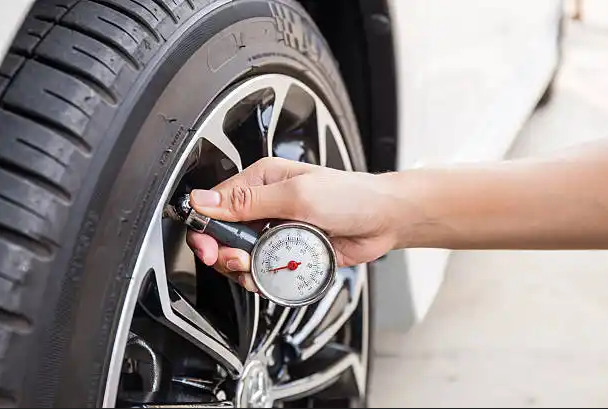
Tesla vehicles provide one of the most advanced tire pressure monitoring systems. You can check tire pressure directly on the touchscreen display inside the car.
Navigate to the “Service” or “Controls” section on the screen, where you’ll find real-time PSI readings for all four tires. This feature eliminates the need for frequent manual checks.
However, it’s still recommended to occasionally verify pressure with a physical gauge. This ensures accuracy and helps detect any sensor issues early. Tesla also allows you to set pressure alerts for added convenience.
Also Read:- How to Play Pickleball: Simple Beginner Guide
Signs Your Tire Pressure Is Incorrect
Recognizing the signs of incorrect tire pressure is essential for safe driving. One of the most common indicators is uneven tire wear. If certain areas of the tire wear faster than others, it may be due to improper inflation.
Another sign is reduced fuel efficiency. If you notice your vehicle consuming more fuel than usual, low tire pressure could be the cause.
Handling issues are also a warning sign. If your car feels unstable, drifts, or takes longer to stop, checking tire pressure should be your first step.
Best Time to Check Tire Pressure
Timing plays a crucial role in getting accurate readings. The best time to check tire pressure is early in the morning before driving or after the car has been parked for several hours.
Driving heats up the tires, increasing internal pressure and leading to inaccurate readings. Always check when tires are cold for the most reliable results.
Regular checks—at least once a month—help maintain optimal performance and prevent unexpected issues on the road.
Also Read:- How to Lose Weight Fast on Metformin: Complete Guide for Safe and Effective Results
Common Mistakes to Avoid
One common mistake is checking tire pressure after driving. As mentioned earlier, heat affects readings and can lead to overinflation.
Another mistake is ignoring the spare tire. Many drivers forget to check it, only to discover it’s flat during an emergency.
Lastly, relying solely on dashboard alerts can be misleading. Always perform manual checks to ensure accuracy and prevent long-term damage.
Also Read:- How to Make a Paper Airplane (Complete Step-by-Step Guide)
Conclusion
Knowing how to check tire pressure is a simple yet powerful skill every driver should master. It improves safety, enhances fuel efficiency, and extends tire life. Whether you’re using a gauge, checking at a gas station, or relying on modern dashboard systems, regular monitoring is key.
Make it a habit to check your tire pressure monthly and before long trips. A few minutes of effort can prevent accidents, save money, and ensure a smoother driving experience.
FAQs
How often should I check tire pressure?
You should check tire pressure at least once a month and before long trips to ensure safety and performance.
What happens if tire pressure is too low?
Low pressure can cause poor fuel efficiency, uneven wear, and increased risk of tire failure.
Can I drive with the TPMS light on?
It’s not recommended. The light indicates a pressure issue that should be addressed immediately.
Is it okay to slightly overinflate tires?
No, overinflation reduces traction and can cause uneven wear. Always stick to recommended PSI levels.
Do all cars have tire pressure sensors?
Most modern vehicles do, but older models may require manual checks using a gauge.
For More Visit Accurate Unit Convert












Leave a Reply