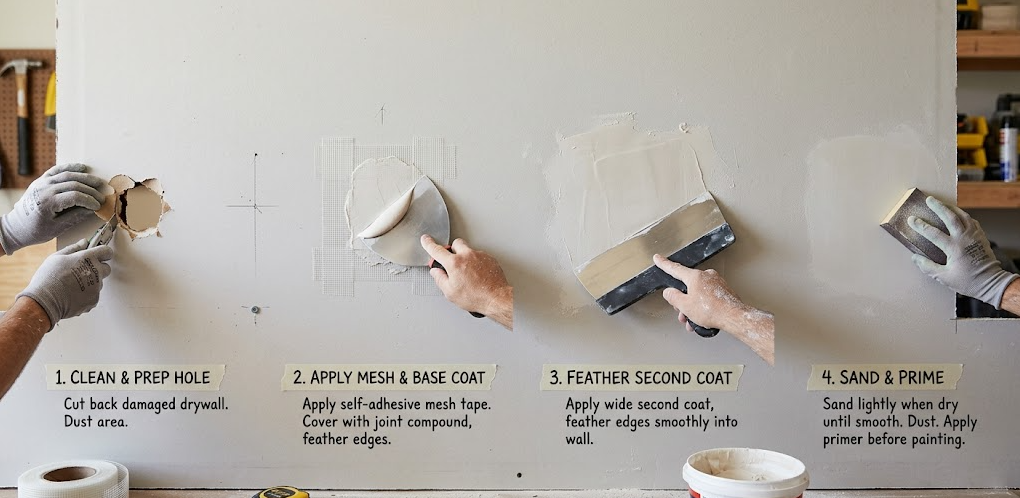
Drywall damage is one of the most common issues homeowners face. Whether it’s a small nail hole, a large dent, or water damage from a leak, knowing how to repair drywall can save you time and money. The good news is that most drywall repairs are easier than they look and can be done with basic tools and a little patience.
In this complete guide, you’ll learn everything you need to know about drywall repair, including how to fix holes, cracks, ceiling damage, seams, and more. This article is designed to be simple, practical, and easy to follow—even if you’ve never done home repairs before.
What Is Drywall and Why Does It Get Damaged?
Drywall, also known as gypsum board or sheetrock, is a panel used to create interior walls and ceilings. It’s popular because it’s affordable, lightweight, and easy to install.
However, drywall is also delicate. It can easily get damaged due to:
- Accidental impacts (furniture, doors, etc.)
- Moisture or water leaks
- Poor installation
- House settling over time
- Temperature changes
Understanding the cause of damage helps you choose the right repair method.
Tools and Materials You’ll Need
Before learning how to repair drywall, it’s important to gather the right tools. Most repairs require simple items such as joint compound, sandpaper, a putty knife, drywall tape, and primer. For larger holes, you may also need a drywall patch or replacement piece.
Having everything ready will make the process smoother and faster.
How to Repair Drywall Holes
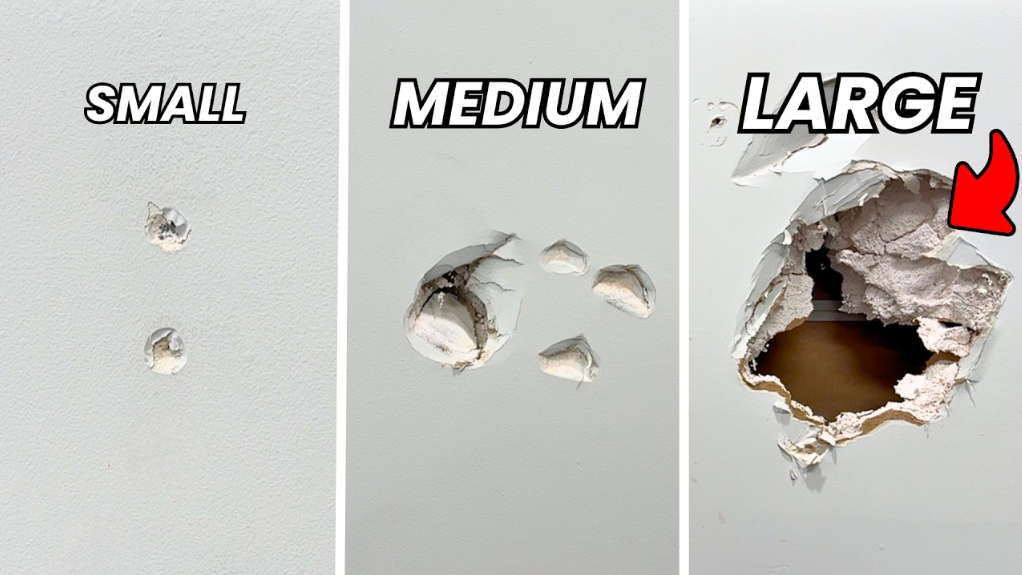
Drywall holes are one of the most common problems. The repair method depends on the size of the hole.
Small Holes (Nail or Screw Holes)
Small holes are very easy to fix. Start by cleaning the area and removing any loose debris. Apply a small amount of joint compound with a putty knife, smooth it out, and let it dry. Once dry, lightly sand the surface and apply paint.
Medium Holes (Doorknob Damage)
For slightly larger holes, use a patch kit. Place the patch over the hole, apply joint compound, and smooth it evenly. After it dries, sand and repaint the area.
Large Holes
Large holes require cutting out the damaged section and replacing it with a new piece of drywall. Secure the new piece, apply drywall tape to the seams, and cover it with joint compound. Sand and paint once dry.
Also Read:- How to Look Younger: Simple, Natural Ways to Stay Youthful
How to Repair Drywall Anchor Holes
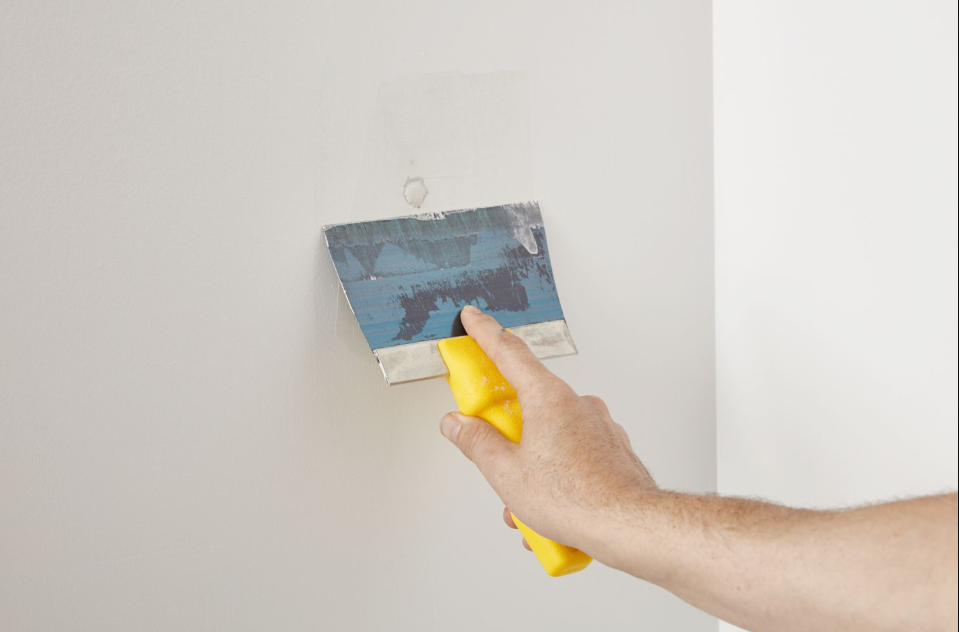
Anchor holes are left behind when wall anchors are removed. These holes are usually wider than standard nail holes.
To fix them, remove any loose material and fill the hole with joint compound or spackle. For larger anchor holes, it’s better to use a patch. Apply compound in layers, allowing each layer to dry before adding the next. Finish by sanding and painting.
Also Read:- How to Convert 14 Meters to Feet
How to Repair Drywall Cracks
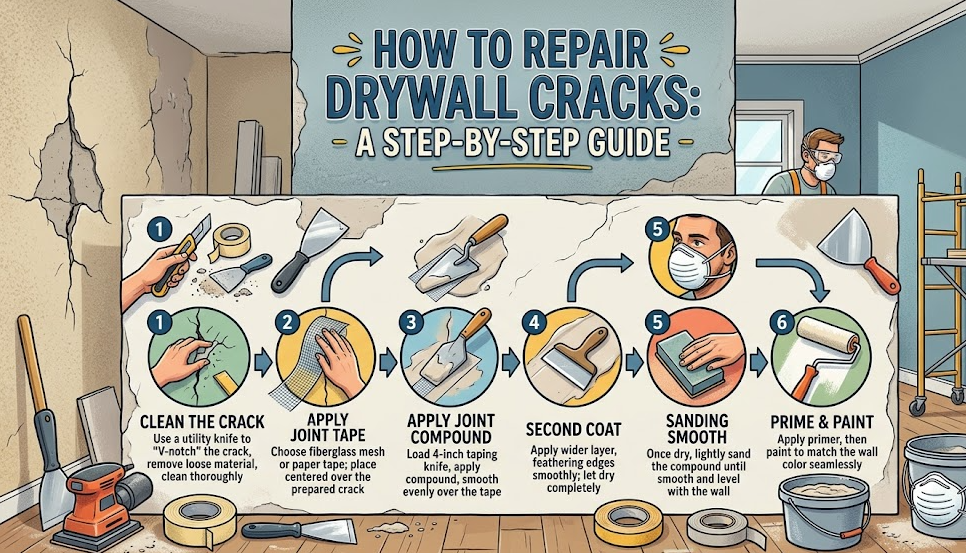
Cracks in drywall often appear due to house settling or temperature changes.
Start by widening the crack slightly with a utility knife. This may sound strange, but it helps the compound stick better. Apply drywall tape over the crack and cover it with joint compound. Smooth it out and let it dry. Sand lightly and apply a second coat if needed before painting.
Repairing cracks properly prevents them from coming back.
Also Read:- How to Convert 4 Meters to Feet
How to Repair Drywall Ceiling
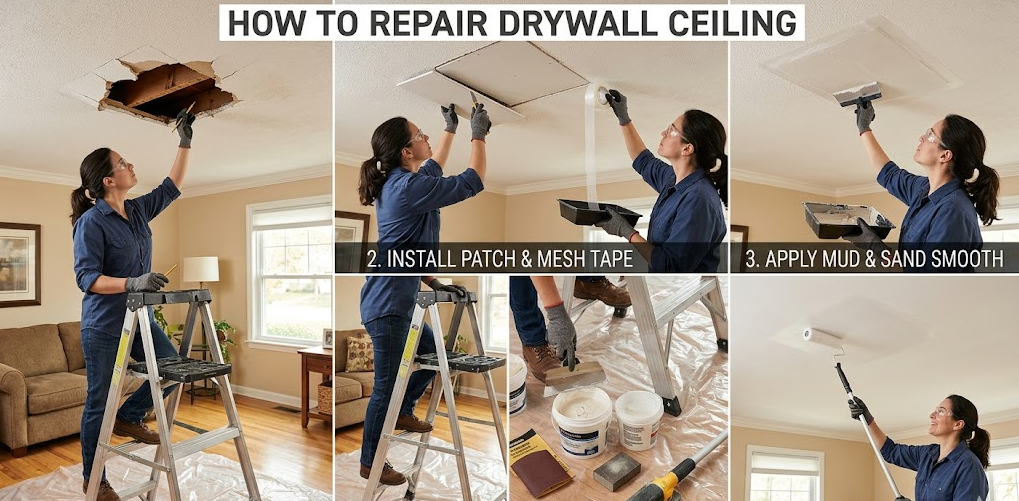
Ceiling repairs can be tricky because you’re working overhead, but the process is similar to wall repairs.
For small cracks or holes, apply joint compound and smooth it carefully. For larger damage, use a patch or replace the section. Always make sure the ceiling is dry and stable before starting.
If the damage is caused by water, fix the leak first. Otherwise, the problem will return.
Also Read:- How to Convert 15 Meters to Feet Easy Formula
How to Repair Drywall Corners
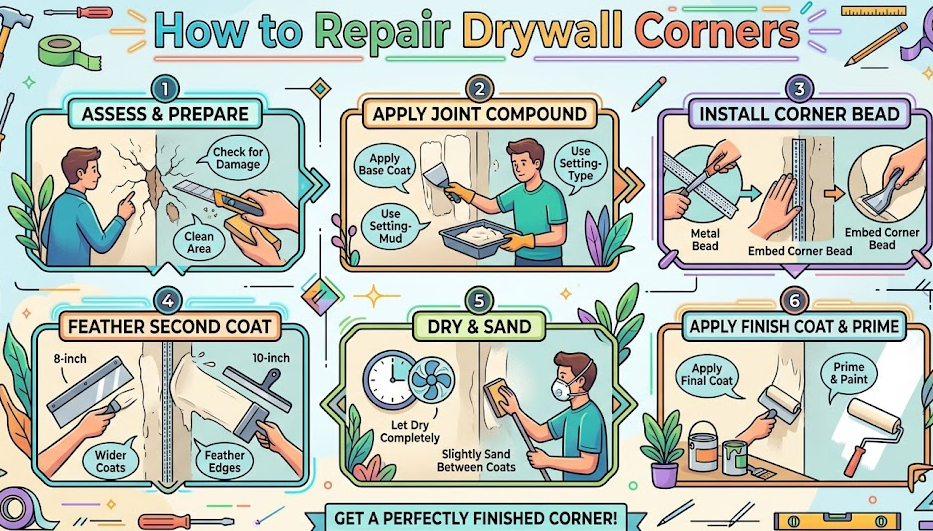
Drywall corners can chip or crack over time, especially in high-traffic areas.
If the metal corner bead is intact, you can simply apply joint compound over the damaged area and smooth it out. If the corner bead is damaged, it may need to be replaced. Remove the damaged section, install a new corner bead, and cover it with compound.
Sand the area carefully to maintain a clean, sharp corner.
Also Read:- How to Share Calendar on iPhone: The Complete 2026 Guide
How to Repair Drywall Tape
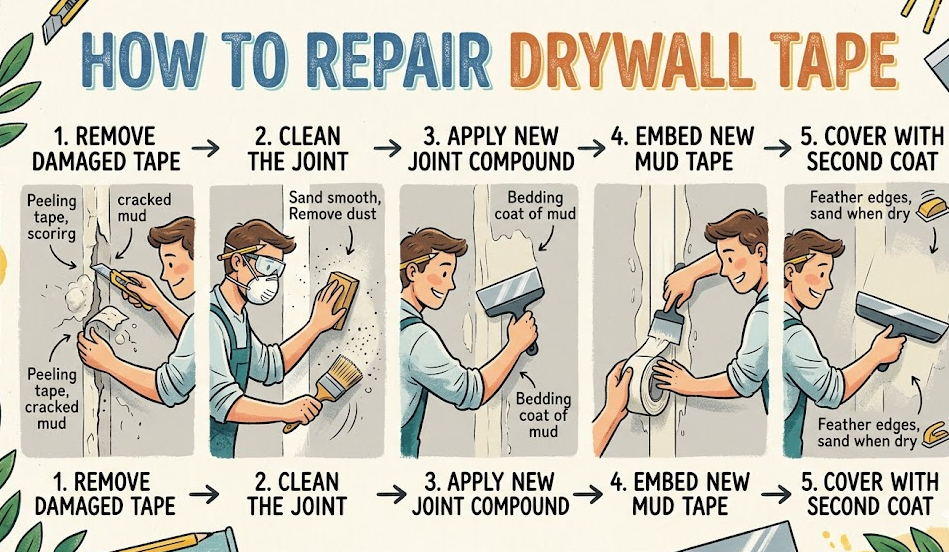
Drywall tape can peel or bubble if it wasn’t installed correctly or if moisture affects it.
To fix this, cut away the damaged tape using a utility knife. Apply a new piece of drywall tape and cover it with joint compound. Smooth it out evenly and allow it to dry before sanding and repainting.
Proper taping is essential for a smooth, professional finish.
Also Read:- How to Set Up Home Theater: The Ultimate Step-by-Step Guide
How to Repair Drywall Paper
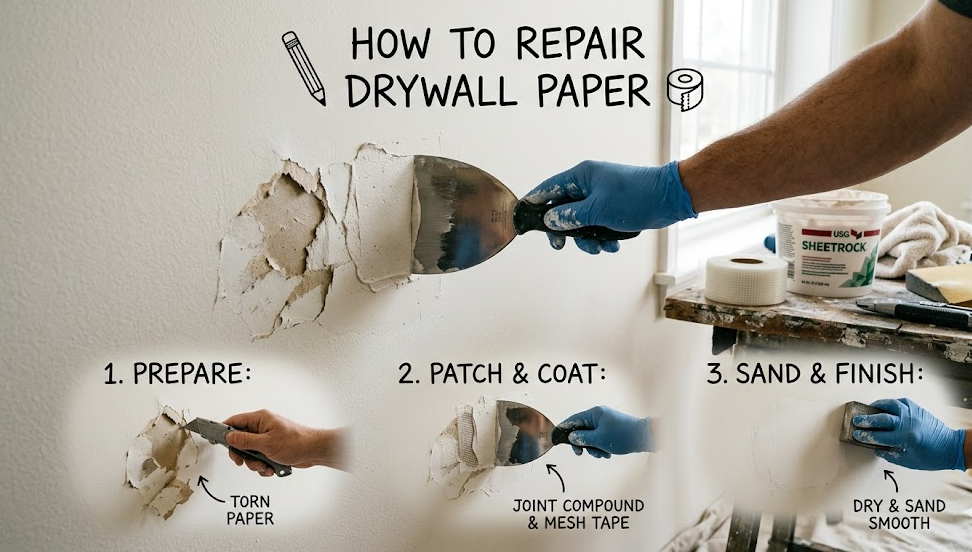
Sometimes the outer paper layer of drywall gets torn. This can happen when removing wallpaper or due to moisture damage.
Start by removing any loose paper. Seal the exposed area with a primer to prevent bubbling. Then apply joint compound, smooth it out, and let it dry. Sand lightly and apply paint.
Repairing drywall paper correctly ensures a smooth surface for painting.
Also Read:- How to Check Tire Pressure: The Complete Beginner-Friendly Guide
How to Repair Drywall Seams
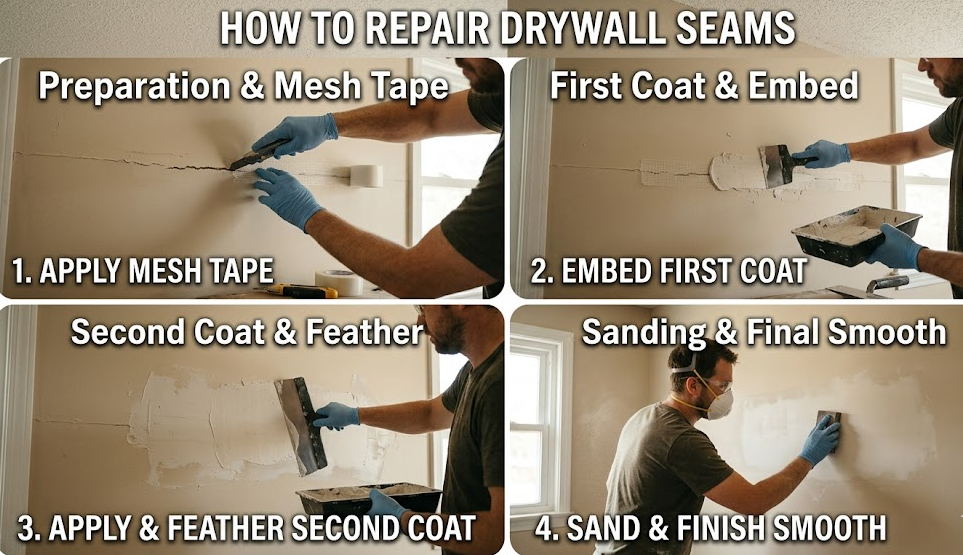
Drywall seams can become visible over time due to poor installation or movement in the structure.
To repair seams, apply a fresh layer of joint compound over the seam and press drywall tape into it. Smooth out the compound and let it dry. Apply additional layers as needed, sanding between each layer.
A well-repaired seam should blend seamlessly with the wall.
How to Repair Drywall Water Damage
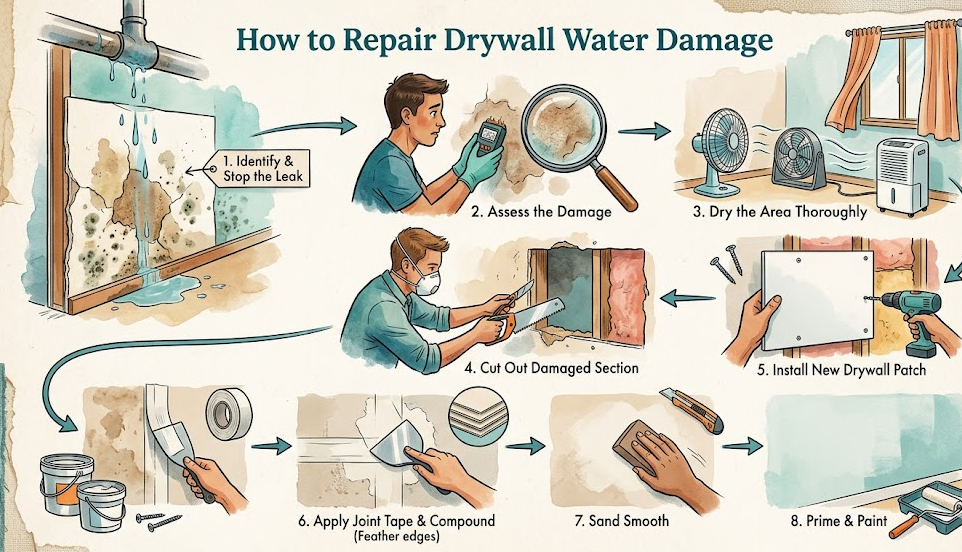
Water damage is one of the most serious drywall issues. It can cause stains, swelling, and even mold.
First, identify and fix the source of the water leak. Then remove any damaged drywall. If the area is small, you can patch it. For larger damage, replace the entire section.
After repairing, apply a stain-blocking primer before painting. This prevents water stains from showing through.
Step-by-Step Drywall Repair Process
No matter the type of damage, most drywall repairs follow the same basic process:
First, clean the damaged area and remove loose material. Then apply a patch or joint compound depending on the size of the damage. Allow it to dry completely before sanding the surface smooth. Finally, apply primer and paint to match the surrounding wall.
Taking your time with each step ensures a professional-looking result.
Tips for a Professional Finish
To achieve a smooth, professional result, always use thin layers of joint compound. Sand gently between coats and use good lighting to spot imperfections.
Feather the edges of the compound so it blends into the wall. This prevents visible patches after painting.
Using high-quality tools and materials also makes a big difference.
Conclusion
Learning how to repair drywall is a valuable skill that every homeowner should have. From small holes and cracks to larger issues like water damage and ceiling repairs, most drywall problems can be fixed with simple tools and a step-by-step approach.
By understanding the type of damage and using the right techniques, you can restore your walls to a smooth, like-new condition. Take your time, follow the process carefully, and don’t rush the drying stages.
With practice, drywall repair becomes easier and more efficient, saving you money on professional repairs while improving your home’s appearance.
FAQs About How to Repair Drywall
How long does drywall repair take?
Most small repairs can be completed in a few hours, but drying time between coats may take a full day.
Can I repair drywall without professional help?
Yes, most drywall repairs are beginner-friendly and can be done with basic tools.
What is the best compound for drywall repair?
Joint compound is the most commonly used material for smooth and durable repairs.
Do I need to sand drywall after repair?
Yes, sanding is essential to achieve a smooth, even surface before painting.
How do I match paint after drywall repair?
Use primer first, then match the paint color and finish of the surrounding wall for the best results.
For More UpdateS Visit: Accurate Unit Convert