
Changing the oil in your vehicle or equipment is a fundamental task that every vehicle and machinery owner should master. It’s an essential part of maintaining the engine, preventing damage, and ensuring longevity. Whether you’re looking to understand how to change oil in a car, how to change oil in a lawn mower, or even how to change oil in a diesel truck, this guide will cover the necessary steps for each scenario. We’ll also explore related topics like changing the oil filter and pressure sensor to ensure that every aspect of your engine is in top shape. By the end of this article, you’ll have the knowledge and confidence to handle oil changes in various machines, enhancing their performance and lifespan.
Why Is Changing Oil Essential?
Changing the oil regularly is one of the most important tasks for keeping any engine running smoothly. Oil serves as the lubricant for the engine’s moving parts, reducing friction and heat buildup. Over time, oil becomes dirty, thickens, and loses its ability to lubricate effectively, which can lead to engine wear or even catastrophic failure. Regular oil changes ensure the engine operates efficiently, helps prevent overheating, and reduces the likelihood of breakdowns. Moreover, using the right oil type and changing it at the correct intervals improves fuel efficiency and overall performance.
How to Change Oil in a Car
If you own a car, performing regular oil changes is critical to maintaining its engine health. Fortunately, changing oil in a car is a relatively simple process that you can do at home with the right tools and a bit of know-how.
The Basics of Changing Oil in a Car
Before beginning, ensure your car is on a flat, level surface, and the engine is cool to the touch. Parking your car in the driveway or garage will work best, and it’s essential to elevate the vehicle for easy access to the oil pan. You will need a few basic tools: a jack and jack stands (or ramps), a socket wrench, an oil filter wrench, a funnel, gloves, and, of course, the proper oil for your car’s engine.
Step-by-Step Process for Changing Oil in a Car
Start by lifting your car using a jack. Once elevated, position the jack stands under the car for additional safety. Now, locate the oil drain plug at the bottom of your car’s engine. Place the drain pan under the plug, remove the plug using a socket wrench, and allow the oil to drain out completely. This can take several minutes, so be patient.
While the oil is draining, it’s a good time to remove the oil filter. Use the oil filter wrench to loosen the old filter, making sure not to spill oil from the filter. Once removed, check the old filter’s rubber O-ring to ensure it was properly removed with the filter.
Next, install the new oil filter by hand, ensuring the rubber seal is lubricated with a small amount of new oil. This helps create a tight seal to avoid leaks. After the oil has finished draining and the filter is securely installed, it’s time to replace the drain plug. Tighten it firmly with the socket wrench, but avoid overtightening, as this can damage the threads.
Finally, pour the new oil into the engine using the funnel. Be sure to check your car’s manual to determine the correct oil type and quantity for your engine. After filling, check the oil level using the dipstick and add more if necessary. Once the oil level is correct, start the car to check for leaks and let it run for a few minutes to circulate the oil throughout the engine. Turn off the engine, recheck the oil level, and add more if needed.
How Often Should You Change Oil in Your Car?
The general recommendation for oil changes is every 3,000 to 7,500 miles, depending on your car’s engine type, oil type, and driving habits. Always consult your car’s owner manual for the specific oil change interval for your vehicle.
How to Change Oil in a Lawn Mower
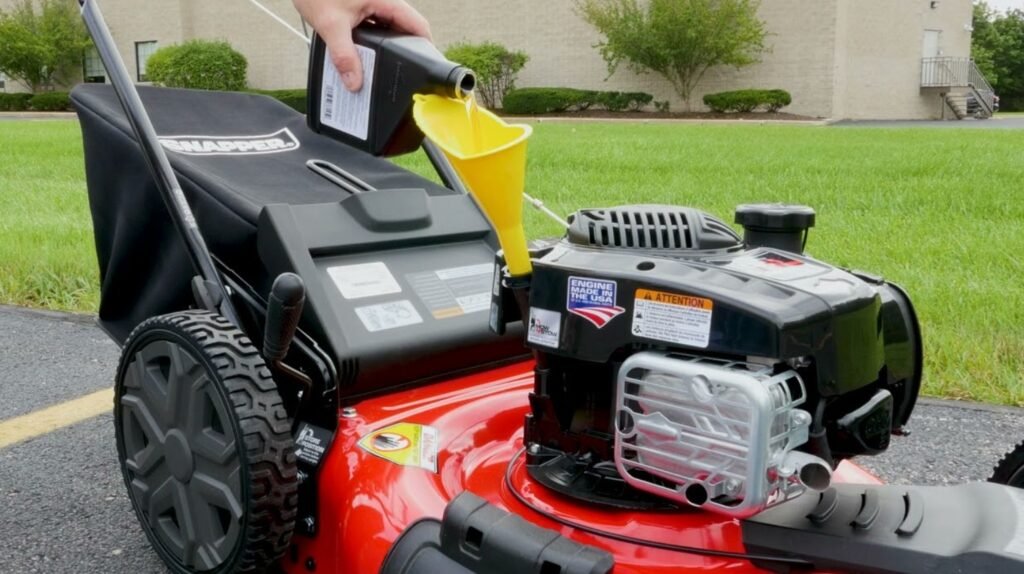
Lawn mowers, whether push mowers or riding mowers, also rely on oil for engine lubrication. While the process of changing oil in a lawn mower is similar to that of a car, there are some key differences due to the size and design of the engine. Regular oil changes ensure that the engine runs smoothly and lasts longer.
Changing Oil in a Lawn Mower
Start by ensuring that the lawn mower is on a flat surface and that the engine is cool. Disconnect the spark plug to prevent accidental starting while working. To change the oil, first, tilt the mower on its side to expose the oil drain plug or cap. Depending on the model, you may need to remove the oil plug or unscrew the oil cap.
Allow the oil to drain into a pan, making sure to fully drain out any old oil from the engine. Once the oil has been drained, you can either replace the oil filter (if your mower has one) or simply add fresh oil. If your mower doesn’t have an oil filter, just use the correct oil type for the mower and pour it into the oil reservoir. Be sure to check the oil level with the dipstick and add more oil if necessary. Reattach the oil plug or cap, and reconnect the spark plug before starting the mower to ensure it runs smoothly.
How Often Should You Change Oil in a Lawn Mower?
Lawn mowers typically require an oil change every 50 hours of operation or once per season. However, you should check the oil level regularly and change it if it looks dirty or low.
How to Change Oil in a Riding Lawn Mower
Riding lawn mowers are more complex than push mowers and have larger engines that require more attention. Changing the oil in a riding lawn mower is similar to changing oil in a push mower but with a few additional steps due to the larger engine size.
Changing Oil in a Riding Lawn Mower
Begin by positioning the mower on a flat surface and allowing the engine to cool. Disconnect the battery to ensure safety during the process. Place a drain pan underneath the oil drain plug and remove the plug to allow the oil to drain out completely. After draining, remove the oil filter if applicable and replace it with a new one.
Once the oil has fully drained, use a funnel to add the recommended amount of fresh oil for the mower’s engine. Check the oil level using the dipstick and add more if necessary. Replace the drain plug, tighten it, and reattach the battery. Finally, start the mower and check for any oil leaks to ensure everything is secure.
How Often Should You Change Oil in a Riding Lawn Mower?
Riding lawn mowers generally require oil changes every 50 hours of operation or once a year, whichever comes first.
How to Change Oil in a Push Mower
Changing oil in a push mower is quite straightforward, similar to how you would change oil in a regular lawn mower. However, since push mowers have smaller engines, the oil change process tends to be quicker and more manageable.
Changing Oil in a Push Mower
To change oil in a push mower, first, make sure it’s on a flat surface. Tilt the mower to one side, remove the oil cap, and allow the old oil to drain into a pan. Once the oil has fully drained, refill the engine with the appropriate amount of fresh oil, checking the level with the dipstick to ensure it’s within the correct range. Afterward, securely replace the oil cap and start the mower to check for proper functioning.
How Often Should You Change Oil in a Push Mower?
For most push mowers, it’s recommended to change the oil after every 25-50 hours of use or at the start of each season.
How to Change Oil on a Diesel Truck

Diesel trucks require more maintenance than gasoline-powered vehicles, and changing the oil on a diesel truck is essential to keeping it in top condition. Diesel engines operate under higher pressure and stress, which is why regular oil changes are crucial for preventing engine damage.
Changing Oil in a Diesel Truck
To change the oil in a diesel truck, first lift the truck using a jack and place it securely on jack stands. Place a large drain pan under the oil pan and remove the drain plug to allow the oil to drain completely. After draining the oil, replace the oil filter with a new one. Once the oil has drained and the filter is replaced, use a funnel to add the recommended diesel engine oil. Be sure to check the oil level with the dipstick and add more if necessary.
How Often Should You Change Oil in a Diesel Truck?
Typically, diesel trucks require an oil change every 5,000 to 7,500 miles, depending on usage and driving conditions.
How to Change Oil Pressure Sensor
The oil pressure sensor is a critical component of your car’s engine system, as it monitors the oil pressure and alerts you if the pressure is too low. If the sensor fails, it can lead to inaccurate readings, which could result in engine damage if the issue isn’t addressed.
Changing the Oil Pressure Sensor
To change the oil pressure sensor, start by locating it on your engine. Once located, disconnect the car battery to avoid any electrical issues. Using a socket wrench, remove the old sensor and replace it with the new one. Once the new sensor is installed, reconnect the battery and check the oil pressure gauge to ensure that it’s reading correctly.
Conclusion
Changing oil is a critical aspect of vehicle and equipment maintenance that cannot be ignored. Whether it’s how to change oil in a car, how to change oil in a lawn mower, or how to change oil in a diesel truck, performing this task regularly ensures the longevity of your engine and reduces the risk of costly repairs. By following the right steps and using the appropriate tools, you can keep your vehicles running efficiently and avoid major engine damage down the road.
Regular oil changes not only improve the performance of your machinery but also enhance fuel efficiency and prevent breakdowns. Be sure to follow the manufacturer’s recommendations for oil type and change intervals to keep your machines in optimal condition.
For More Visit Accurate Unit Convert