
Sourdough bread is loved around the world because of its rich flavor, crispy crust, and soft texture. The secret behind this delicious bread is a natural ingredient called a sourdough starter. If you want to bake sourdough bread at home, the first step is learning how to make sourdough starter.
A sourdough starter is simply a mixture of flour and water that ferments over time. Natural yeast and healthy bacteria grow in the mixture and help bread rise without using commercial yeast. Many people think making a starter is difficult, but in reality it is very simple and only requires patience.
In this guide, you will learn how to make sourdough starter from scratch, how to make it stronger, how to control the sour flavor, and how beginners can easily prepare it at home.
What Is a Sourdough Starter?
A sourdough starter is a natural fermentation culture made from flour and water. When these two ingredients are mixed and left at room temperature, natural yeast from the air begins to grow. This yeast produces gas that makes bread rise.
At the same time, good bacteria develop in the starter. These bacteria create the slightly sour flavor that sourdough bread is famous for. Because of this natural fermentation, sourdough bread often tastes better and stays fresh longer than regular bread.
Many bakers prefer sourdough because it does not require commercial yeast. Instead, the natural yeast in the starter does all the work.
How to Make Sourdough Starter From Scratch
Learning how to make sourdough starter from scratch is very easy. You only need two ingredients and a few days of patience.
Ingredients
• 1 cup flour (all-purpose, whole wheat, or bread flour)
• 1/2 cup water
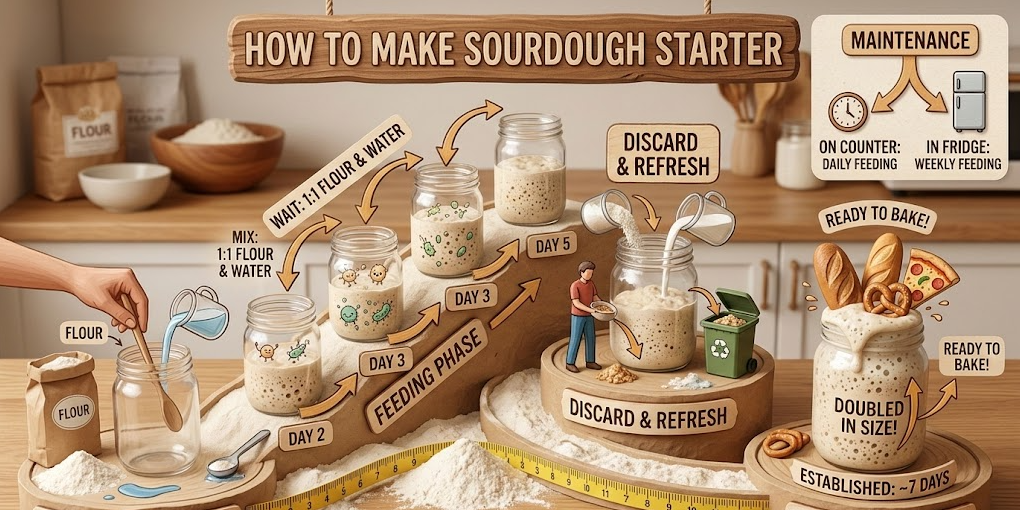
Step 1 – Mix Ingredients
Take a clean jar and mix flour with water until it becomes a thick paste. Cover the jar loosely so air can enter.
Step 2 – Let It Rest
Leave the jar at room temperature for 24 hours. Natural yeast will start forming inside the mixture.
Step 3 – Feed the Starter
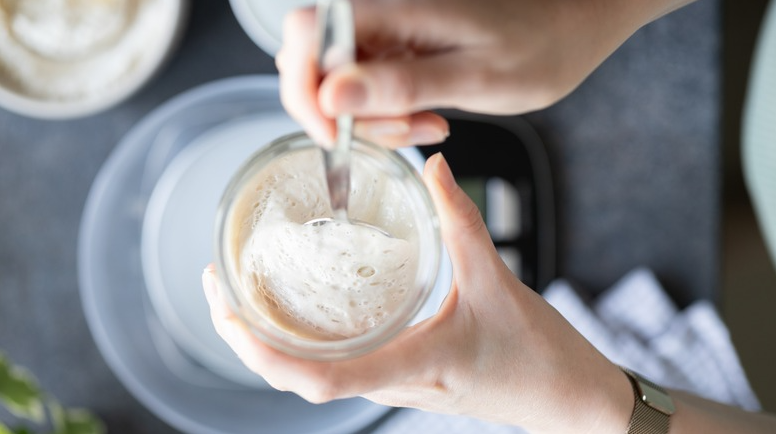
The next day, discard half of the mixture and add fresh flour and water again. Mix well and leave it for another 24 hours.
Step 4 – Repeat the Process
Continue feeding the starter daily for about 5 to 7 days. You will start seeing bubbles and a slightly sour smell.
When the starter becomes bubbly and doubles in size after feeding, it is ready to use.
Also Read:- How to Take a Screenshot on Chromebook (Easy Guide)
How to Make Sourdough Starter at Home
Making a starter at home is simple because it does not require special tools. You only need flour, water, and a jar.
Keep the jar in a warm place because yeast grows faster in warm temperatures. The ideal temperature is around 21–27°C. If the room is too cold, the fermentation process may slow down.
Always use a clean container and mix the starter well during feeding. Consistency is important when maintaining a healthy starter.
Once your starter becomes active, you can store it in the refrigerator and feed it once a week.
Also Read:- How to Draw a Face: Complete Beginner Guide
How to Make Sourdough Starter With Yeast
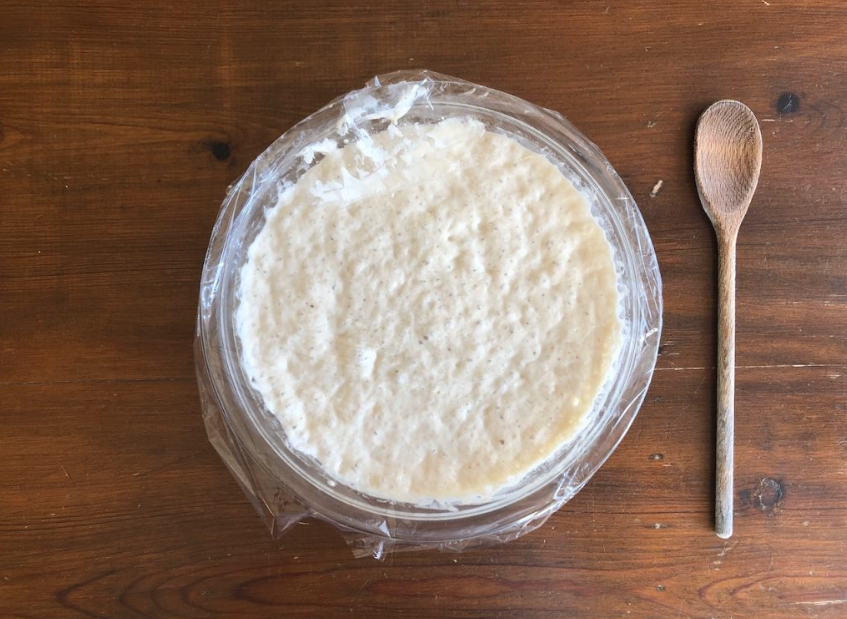
Some beginners want faster results, so they learn how to make sourdough starter with yeast. This method uses a small amount of commercial yeast to speed up fermentation.
To do this, mix flour, water, and a tiny pinch of yeast in a jar. Let the mixture sit for 24 hours and continue feeding it daily like a regular starter.
Even though commercial yeast helps start fermentation quickly, natural yeast will still develop over time. Eventually, the starter behaves like a traditional sourdough culture.
Also Read:- How to Write a Check: A Complete Step-by-Step Guide
How to Make Sourdough Starter With Different Flours
Different types of flour can be used to create a sourdough starter. The most common options include all-purpose flour, bread flour, and whole wheat flour.
All-purpose flour is easy to find and works well for beginners. It produces a mild flavor and steady fermentation.
Bread flour contains more protein, which helps create stronger dough and better bread structure.
Some people also make gluten-free sourdough starter using rice flour or buckwheat flour. These options are helpful for people who cannot eat gluten.
Also Read:- How to Change a Tire: A Complete Step-by-Step Guide for Cars, Trucks, Bikes, and Emergencies
How to Make Sourdough Starter Stronger
A strong starter helps bread rise better. If your starter is weak, there are several ways to improve it.
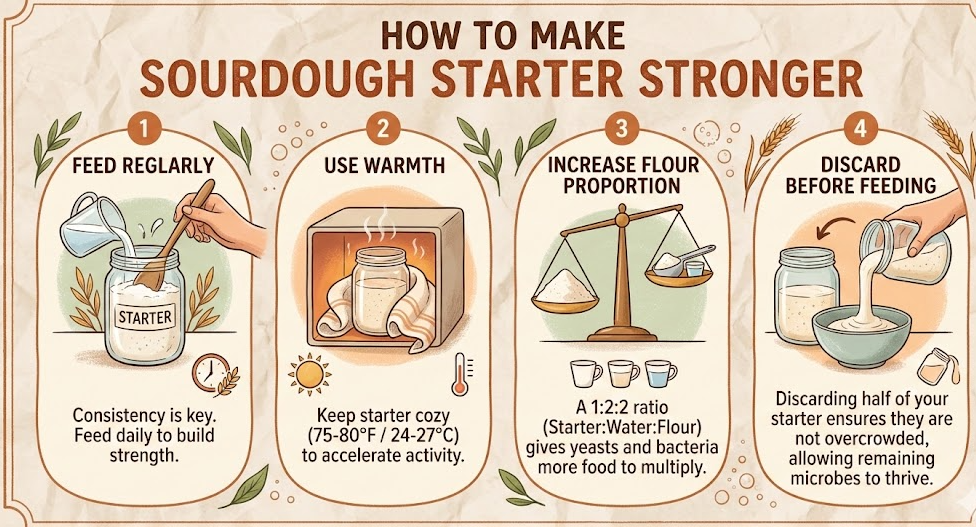
Feed the starter regularly with fresh flour and water. Consistent feeding gives yeast the nutrients it needs to grow.
Using whole wheat or rye flour sometimes helps increase yeast activity because these flours contain more nutrients.
Keeping the starter in a warm environment also helps fermentation. When yeast is active, the starter will produce more bubbles and rise faster.
Also Read:- How to Use TikTok: Complete Beginner to Pro Guide
How to Make Sourdough Starter More Sour
Some bakers prefer a stronger sour flavor in their bread. If you want to learn how to make sourdough starter more sour, the key is fermentation time.
Allowing the starter to ferment longer can increase sourness. The longer bacteria work inside the starter, the more acids they produce.
Using a thicker starter with less water can also create a sharper flavor. Cooler fermentation temperatures sometimes increase tangy taste as well.
How to Make Sourdough Starter Less Acidic
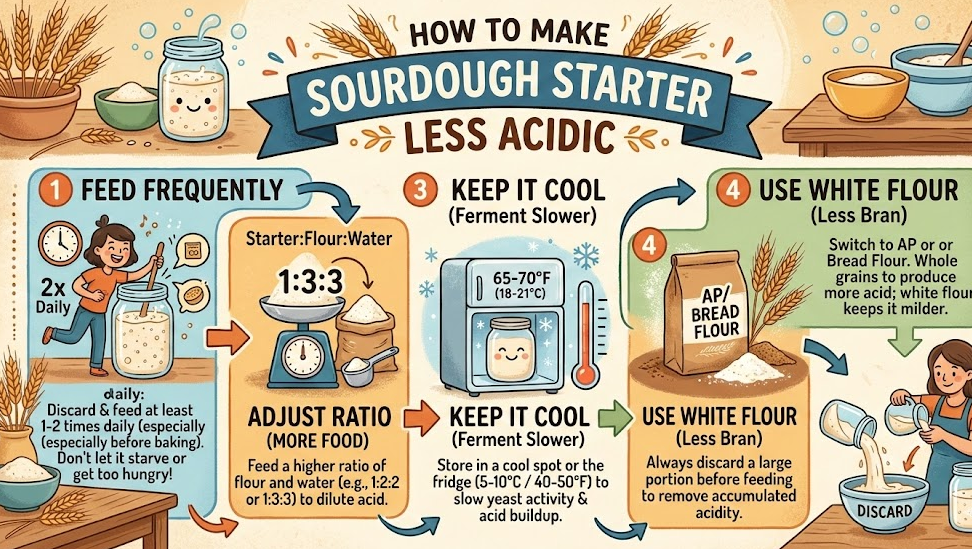
If the starter becomes too sour, you can reduce acidity by feeding it more often. Fresh flour and water dilute the acids in the mixture.
Warmer temperatures also produce milder flavors. Regular maintenance keeps the starter balanced and healthy.
Also Read:- How to Write a Cover Letter Complete Guide
Conclusion
Learning how to make sourdough starter is simple and rewarding. With only flour, water, and patience, you can create a natural fermentation culture that lasts for years. Once the starter becomes active and bubbly, it can be used to bake delicious homemade sourdough bread.
Whether you want to make sourdough starter from scratch, strengthen it, or control the sour flavor, the process is easy to follow. After a few days of feeding and care, you will have a healthy starter ready for baking.
FAQs
How long does it take to make a sourdough starter?
Usually it takes about 5 to 7 days for a starter to become active.
Can I make sourdough starter without yeast?
Yes. Traditional sourdough starter uses natural wild yeast from the environment.
What flour is best for sourdough starter?
Whole wheat or rye flour works well at the beginning, but all-purpose flour is also commonly used.
How often should I feed a sourdough starter?
If kept at room temperature, feed it daily. If stored in the refrigerator, feed it once a week.
For More Visit Fex Novo











Leave a Reply